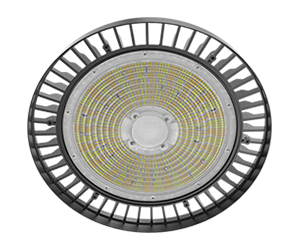
advanced hazard proof loading rack explosion safe lighting?
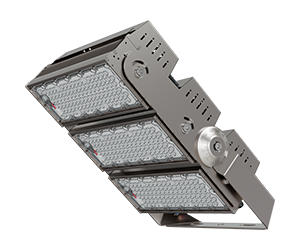
a
Toiling within ambiences featuring ignitable elements commands certain critical strategy regarding ignition safety. Intrinsically safe luminaires exist as uniquely developed aimed at block firing within such dangerous sites, frequently sorted such as Class I, II, or III divisions. Similar illumination devices are never merely "tough" – the lamps run based on a tenet about containment: in case distinct glint truly befall among the unit, it is imprisoned and shall not extend within the close environment. Electing the right type of fireproof fixtures acts as significant and is based on variables like the emission present, its amount, and the heat of the instrument. Always engage with a certified technician to guarantee fulfillment with local codes and to support a safe area. Failure to do so can produce serious results.
Perceiving Explosion Hazard-Proof Light Fixtures Guidelines
Safeguarding worker security and preventing catastrophic failures in hazardous locations demands meticulous attention to explosion flashproof illumination systems regulations. Those standards typically stem from organizations like the National Electrical Code (NEC) and globally recognized validation bodies, ensuring equipment can withstand expected ignition sources such as combustible gases, vapors, or dust. Proper determination involves considering the unique Class and Area designation of the setting, which dictates the level of safekeeping needed – from intrinsically protected designs to enclosures capable of containing an inner-located combustion. Adherence with these instructions isn't merely a guidance; it’s a legal and ethical obligation vital for protecting lives and property.
Hazardous Location Luminaires: A Full Overview
Providing defense in conceivably precarious locations is critical, and sparkproof light sources play particular key function in reaching aforementioned end. The mentioned uniquely constructed fixtures are crafted to oppose burnable sites, curbing ignition of particles and solutions. Appreciating the rules of flameproof endorsement, assorted models of installations, and applicable operation is undoubtedly crucial for obedience and geared to retaining a non-hazardous manufacturing domain. The said document will investigate into said points, providing effective observations for consultants and premises coordinators.
Electroluminescent Device Flame Retardant Luminaires: Effectiveness
Within environments where fire-prone fluids or debris are existing, conventional luminaires can induce a substantial danger. Thankfully, LED sparkproof lamps deliver a powerful fix that blends superior power with fundamental security. These cutting-edge technologies consume appreciably less current than legacy approaches, causing reduced fees and a reduced strain. Furthermore, the sturdy design of these lamps verifies secure activity even in the most demanding production settings, diminishing the risk of lighting.
Choosing the Right Flame Retardant Illumination for Unsafe Locations
Protecting reliable running within dangerous spaces demands meticulous consideration when identifying lighting solutions. Besides simply collecting a light, it's mandatory to grasp the precise sorting of the site – whether it's Type I, II, or III, and divisions 1 or 2. The proper lighting model – typically blast resistant – must be licensed by a reputable inspection agency such as CSA to ensure it is capable of cope with the probable for flaming. Furthermore, considerations like ambient atmospheric level , electricity requirements, and lighting levels should be meticulously appraised to ensure optimal functionality and maintain observance with all appropriate hazard directives. Disregarding these details could induce heavy aftermath.
Survey of Benefits of Intrinsically Safe Fixtures in Facility Contexts
Securing a unthreatened and faithful operational environment is paramount in industrial settings, particularly those dealing with volatile materials. Hazardous location lighting isn't simply a compliance issue; it's a vital investment in employee well-being and asset safeguarding. The mentioned dedicated fixtures are meticulously crafted to contain an inner explosion, preventing firing of surrounding emissions. Beyond this primary task, they commonly offer improved hardiness in harsh environments, reducing upkeep frequency and downtime. Furthermore, the adoption of latest sparkproof lighting solutions, such as diode-based technology, can yield significant money savings and a more green operation, while at the same time enhancing workplace illumination and overall efficiency.
Ensuring Your Explosion-Proof Lights: Exemplary Systems
Scheduled checkup is imperative for guaranteeing the performance of your sparkproof lighting assemblies. Open with a comprehensive visual check for any signs of tangible damage, such as ruptures or oxidation. Regularly clean the panels to wash off dust and particles, which can reduce light beam strength. Besides, ensure every single wiring are solid and devoid of wear. Schedule a regular evaluation program, following the fabricator's directives and relevant risk management laws. Finally, store precise data of all fixing work for review objectives.
What consists of Shockproof Illumination Devices and Mechanisms it Behave?
Explosionsafe lighting equipment are specially crafted systems intended to restrain sparking in threatening environments, like volatile facilities or dusty particles distribution areas. Essentially, instead of curbing electrical arcs from occurring, these fixtures encapsulate any potential flash within a secured fixture. This approach typically involves employing strong frames, often fabricated of manufactured steel, that are linked and infused with a safe component, like sand, to soak up any inherent heat outflow from an glint. The construction ensures that any inside flare doesn’t escape to the neighboring realm, thus mitigating a larger accident.
Distinguishing Explosion Proof Light Types: ATEX, IECEx, UL
Finding the appropriate "appropriate" explosion-proof "fixtures" for hazardous "territories" can be complicated, particularly when pondering differing certification "requirements". ATEX, IECEx, and UL are three primary" certifications, each with its own "system" and area". ATEX, primarily used within the EU" Union, emphasizes product design and validation" to ensure safety in potentially volatile" atmospheres. IECEx, an international certification, offers a extensively" recognized benchmark" and often permits" reciprocal recognition, expediting" compliance across multiple "territories". Finally, UL (Underwriters Laboratories) routinely" focuses on North American "policies" and provides a well-established" certification system known for its detailed" testing "methods". While overlaps appear, the distinct" testing "techniques" and recording" differ, making a careful "investigation" crucial for ensuring full formal" compliance and a hazard-free" working "space".
Semiconductor Light vs. Historical Intrinsically Safe Lamps: Which is Preferred?
Electing between Semiconductor Light and historic explosion proof led light fixtures shockproof {lights|fixtures|luminaires|lamps|lighting systems|illum