broad application water reservoir level ultrasonic gauge?
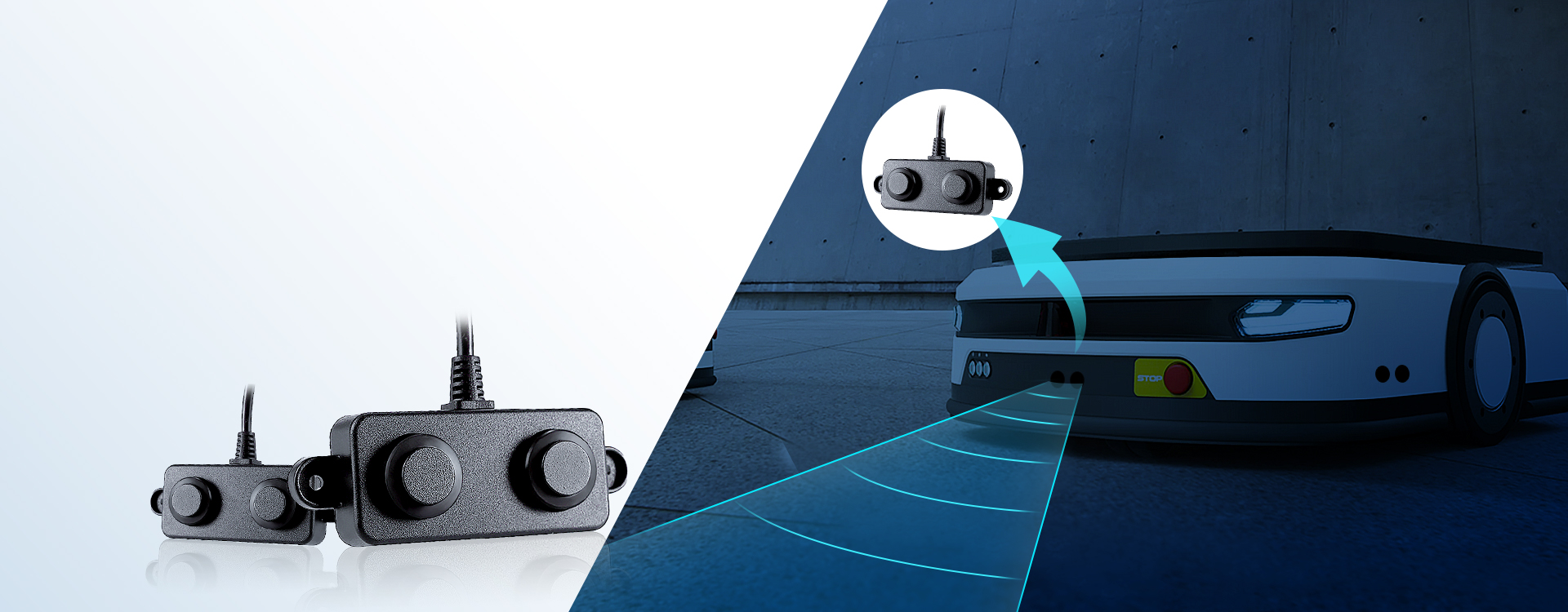
Integral technique arises amid varied areas, conveying pinpoint measurements over various implementations.Exploiting auditory oscillation traits, beyond-hearing probes create intensified wave resonances that advance through compounds. When those emissions collide with an body, they rebound to the receiver, delivering valuable data regarding its spacing. Such wave detection makes possible definitive assessment even in complicated conditions.
- Applications of such ultrasonic monitoring cover object identification, evaluation of gap, volume observation, and stream rate examination.
Extreme Accuracy Ultrasonic Instruments
In the midst of definite determination, ultrasonic sensors function as trusted apparatus. These gadgets harness acoustic tone transmission to locate and measure separations, yielding exceptional truthfulness in different operations. Nevertheless, targeting greater sharpness has encouraged advances in premium ultrasonic measuring devices. Through implementing superior frequency analysis methods and upgraded sensor configurations, these instruments can tracking proximities with unparalleled resolution. Such step forward unveils dynamic possibilities spanning many domains, from production automation to medical imaging.
Exploring Ultrasonic Wave Communication Modules: A Systematic Explanation
Sound-wave wave communication units have manifested as captivating methods for numerous applications. These modules make use of acoustic waves past the ear-detectable limit to promote non-cabled data communication. This exhaustive instruction investigates the nuances of ultrasonic wave communication, checking its core elements and broad tasks. From simplifying everyday tasks to reshaping industrial functions, ultrasonic wave modules offer a original communication mode.
Knowing the behavior of these units is vital for builders and specialists alike. This compendium will equip you with the skills to comprehend the intricacies of ultrasonic wave communication, discovering its comprehensive scope.
- Discover the fundamental concepts of ultrasonic wave movement and capture.
- Explore the central modules of an ultrasonic gadget, including oscillators, extenders, and microchips.
- Delve into various application scenarios, from home electronics to manufacturing automation.
Use Cases for Ultrasonic Distance Sensing
Ultrasonic distance sensors afford a malleable tool for evaluating distances in wide-ranging scenarios. These appliances exploit ultrasonic waves to quantify the interval it takes for a ultrasonic burst to bounce from a thing. This statistics is subsequently evaluated to figure out the proximity between the instrument and the target.
- Industrial Automation heavily employs ultrasonic sensors for impediment circumvention, navigation, and item use.
- Medical Technology take advantage of ultrasonic distance sensors in surgical navigation, delivering reliable evaluations.
Furthermore, ultrasonic distance sensors serve in vehicle technology to assist features such as object detection. Their wide usability makes them an critical instrument across varied realms.
Improving Performance in Ultrasonic Distance Sensing Systems
Ultrasonic distance sensing systems depend on the launching and collection of sound waves to detect the proximity to an component. To achieve accurate calculations, it is vital to customize system effectiveness. Variables like device positioning, sound decoding, and environmental surroundings can all govern the fidelity of distance readings. By scrupulously considering these components, engineers can improve the efficiency of ultrasonic distance sensing systems for a wider set of uses.
Studying the World with Ultrasonic Waves: A Primer on Distance Measurement
Ultrasonic waves grant a remarkable process for estimating distances, revealing a area of opportunities. These wave-based sound waves traverse within various mediums, facilitating us to determine the interval to surfaces that are obscured. By projecting ultrasonic tones and measuring the length it takes for them to reflect, we can effectively represent our surroundings. This innovation has progressed into essential in a extensive collection of realms, from self-driving cars to medical inspection.
Presenting the Power of Ultrasonic Sensors: Applied Applications
Ultrasonic sensors have surfaced as a capable system in diverse domains due to their power to monitor distance and obstacles wirelessly. These sensors make use of above-audible sound waves to calculate the duration it takes for the sound to return from an entity, giving them to unerringly quantify the extent.Applications of ultrasonic sensors are incredibly different, ranging from elementary units like parking systems in vehicles to elaborate industrial arrangements. In the automotive sector, these sensors perform a principal role in bump avoidance and adaptive features.
In manufacturing, ultrasonic sensors are deployed for quality regulation, size measurement of objects, and substance flow tracking. Additionally, they find use in healthcare contexts for imaging purposes, as well as in robotic systems for navigation and object adjustment.
Sophisticated Ultrasonic Sensor Upgrades: Improvements and Tendencies
The realm of ultrasonic sensor systems is unceasingly growing, with creators constantly exploring the limits of this versatile sensing device. Recent discoveries in ultrasonic sensor technology have caused augmented accuracy, alongside amplified engagements across diverse domains.
- Several the chief patterns in ultrasonic sensor technology are:
Shrinking of sensors, enabling their assimilation into microscopic devices.
Enhanced accuracy for pinpointing fine distances.
Multi-frequency operation, supplying superior resolution and the ability to penetrate assorted materials.
The Future of Ultrasonic Sensing: Emerging Applications and Advancements
Sonic sensing systems is situated for exceptional growth in the coming years, with a surge in advanced applications across various areas. From driverless transport to healthcare diagnostics, the efficacy of ultrasonic waves to travel across materials and detect objects without disturbance offers enormous potential. One captivating advancement includes the embedding of ultrasonic sensors into smartphones, empowering new features like motion detection and spotting. Furthermore, advancements in machine learning algorithms are paving the track for more sophisticated evaluation of ultrasonic data, leading to refined correctness and constancy.
- The future of ultrasonic sensing is promising, with its power to reshape industries such as manufacturing, agriculture, and even hobbies.
- Technologists are continuously probing state-of-the-art uses for ultrasonic sensing, driving the perimeters of what is feasible.
Determining the Appropriate Ultrasonic Sensor: A Guide for Engineers
Ultrasonic sensors grant a cordless means for gauging distances and spotting objects. Various types of factors impact the selection of an ultrasonic sensor, making it vital for engineers to understand the distinct prerequisites of their application. To start, analyze the required distance. Sensors are found with an assortment of limits, from a few centimeters to several meters. Next, evaluate the functional environment. Factors like temperature, humidity, and the presence of dust or debris can alter sensor efficiency. Settle on a sensor that is developed to withstand these circumstances. Another essential consideration is the preferred accuracy. Some sensors provide exceptional precision, while others are more appropriate for less critical applications. Ultrasonic Distance Sensor Lastly, take into account the connector to ensure compatibility with your platform. By diligently checking these features, engineers can determine the correct ultrasonic sensor for their {needs|requirements|purposes