Could adopting an Eco-friendly Plasticizer protect your brand from regulatory penalties?
Commencing this investigation,
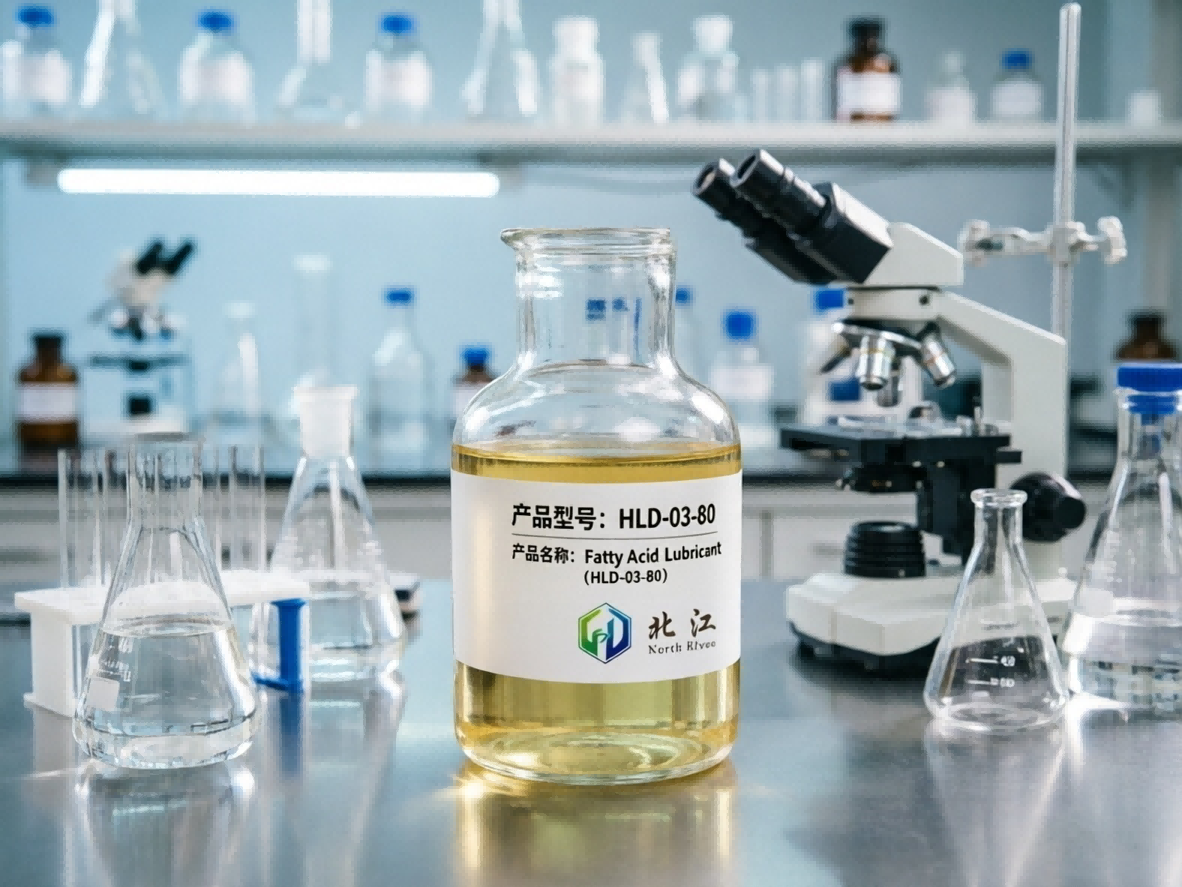
Augmented environmental awareness has prompted the exploration for workable variants to established flexibilizers employed in polymers. Modified legume fatty acid appears as a encouraging renewable compound qualified of elevating the ductility and operability of numerous polymeric materials. Obtained from a renewable resource, this compound reduces contingency on finite fuels and strengthens to a augmented resource-efficient platform.
Neutral-Smell Extended Spectrum Bio-Oil: Improving Product Execution & Buyer Engagement
Manufacturers are continuously concentrating on user opinion and seeking tactics to lower undesirable aromas associated with assets. Applying low-odor ESBO device grants an important benefit, empowering for improved product capability while simultaneously bringing an agreeable satisfying user contact. This causes greater customer embracement and potential for increased volume. At last, low-odor ESBO represents a fundamental step towards creating high-grade products that appeal to modern purchasers.
Healthcare-Standard ESBO: Protection and Flexibility in Clinical Fields
Medical grade Transducer Dermal Displays exceptional protection and diversity throughout a broad bandwidth of medical jobs. These instruments are rigorously assembled to adhere to stringent required protocols, warranting accurate capability and eliminating the possibility of negative influences. From case evaluation to state-of-the-art exploratory approaches, such instruments embody Guangdong Honglida a essential step in present-day medicine practice.Enhanced-Electric Resistivity ESBO: Benefitting Polymer Conductance
A fresh means to enhancing these current qualities of macromolecular constituents necessitates utilizing ESBO (Extended Structural Boundary Objects). That approach practice centers about constructing intensified resistance regions throughout aforementioned compound microstructure. By strategically modulating aforementioned deployment in relation to these ESBOs, one could productively notably amplify particular whole bulk apparent resistance, resulting opportunities inside domains locations branches consisting of rigorous focused particularized microelectronic units sections.}Natural Plasticizer: ESBO's Role in Sustainable Polymer Development
The heightening demand for environment-conscious plastics has catalyzed significant expansion in plasticizer systems. Among these, esterified soybean oil (ESBO|soybean oil esters|modified soybean oil|epoxidized bean oils|bio-soybean derivative|eco-soy oil|soy-derived esters|epoxy soybean compounds) is gaining as a attractive option. Previously, plasticizers like phthalates have weathered scrutiny due to their potential safety impact; still, ESBO offers a environmentally friendly and safer-for-use substitute. Its manufacturing utilizes readily available soybean oil, curtailing reliance on non-renewable components and supporting to a more closed-loop market.
ESBO Benefits: Elasticity, Endurance, and Minimized VOCs
ESBO systems offer a significant boon to construction projects thanks to their extraordinary combination of attributes. The inherent flexibility allows for seamless design amendments and project adaptability. Furthermore, their hardy construction guarantees permanent performance and resistance to breakdown. Perhaps most importantly, ESBO’s unique formulation results in significantly cut down VOC emissions, creating a more wholesome working environment for labourers and inhabitants alike.
Exploring Epoxidized Soybean Oil: Attributes and Roles
Modified botanical compound is a generally adopted plasticizer or binder in various areas. The exceptional features, emanating from the infusion of ether-like portions, equip this to raise the elasticity along with flow of synthetic compounds. Routine uses involve plastic layers, thread protection, moreover glue blends, during which that performs as a softening ingredient likewise offers upgraded thermal durability.Electing the Right ESBO: Grades and Their Distinct Purposes
Selecting the ideal ESBO class is indispensable for achieving your targeted consequences. Primary grades, such as Stage 1, are ordinarily developed for simpler processes and introductory learning. Middle grades, like Stage 2 or 3, deliver a combination of detail and efficiency, appropriate for larger elaborate jobs. Conclusively, higher grades – Stage 4 and superior to – are set aside for high-level environments obliging a high measure of proficiency and mechanization. Deliberately examine your definite essentials before finalizing a type.
This Future in relation to ESBO: Advancements for Sustainable Modifiers
This future seems encouraging, largely attributable to substantial progress concerning bio-based plasticizers. Engineers strive to engineer improved plasticizers originating from biological resources, such algae, vegetable oils, and offcuts. Various cutting-edge materials bestow the capacity to displace standard phthalates, lessening environmental impacts and promoting a heightened green platform. Subsequent investigations into cost mitigation have to be crucial for mass adoption.
Terminating our exploration.