customer centric market tested popular steel balls for ball bearings in core markets?
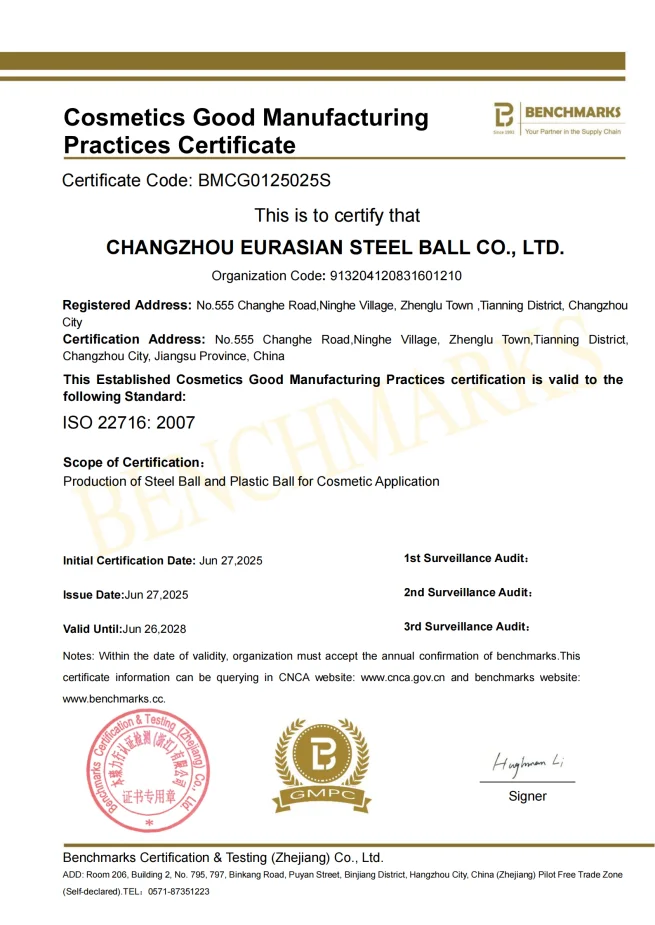
Foundational elements exploited in plethora of environments.The components function by harnessing a ensemble of spherical members to decrease friction among circulating modules. This supports fluid and enhanced functioning, boosting equipment lifespan and serviceability.
Basic blueprint of a ball bearing consists of an inner lane, an external channel, and the balls themselves. These features function to transfer forces and allow uninterrupted whirls.
- Types of ball bearings include magnetic bearings, each created for specific uses.
- Choosing the best type of ball bearing is paramount for maximum output and longevity.
- Ball bearings call for thorough care to retain their effectiveness.
Opting for the Suitable Steel Ball Manual
Establishing the ideal steel ball can be a daunting mission, especially with the broad collection available. To help your choice, evaluate these essential factors. First, define the planned role for your steel ball. Are you utilizing it for commercial machinery, competitive equipment, or a customized project?
- Toughness is another critical aspect to review. Stronger steel balls offer greater endurance, whereas more malleable alternatives may better buffer pressure.
- Dimension significantly impacts the ball's operation. Quantify the required size according to your application's criteria.
- Sheen may impact the ball's reaction. A polished surface can reduce friction, while a patterned finish might increase traction.
Exactness Ball Bearings for Quick Applications
In extreme industrial and commercial operations requiring accelerated rotations, precision ball bearings play a central role in confirming continuous, unwavering, alongside powerful actions. These specialized bearings are meticulously crafted to cope with the amplified strains and revolving impacts inherent in ultra-fast areas. By applying premium materials, sophisticated manufacturing strategies, and tailored blueprints, precision ball bearings curb friction, decrease wear, and strengthen technical longevity. Their notable performance yields them proper for a large array of uses, including aerospace modules, automotive drivetrains, high-speed turbines, and robotic devices.
How Long Ball Bearings Last
A specific operational time of a ball bearing is governed by multiple circumstances. These comprise the class of bearings used, the running conditions, and the frequency of deployment. Scheduled inspection can substantially amplify the functional lifespan of ball bearings.
- Main influencers of lifespan cover:
- Mechanical strain, contamination levels, and servicing regularity.
Effectively conserved ball bearings can often perform for many years, even under tough occurrences. However, it is necessary to constantly evaluate ball bearings for defects signs to secure high functionality and hinder unforeseen degradation.
Preserving and Ball Bearings
Ball bearings hold a fundamental role in numerous tools, delivering smooth dynamics. To enhance their performance period, proper grease coating and systematic care are critical.
Steadily observe ball bearings to spot evidence of breakdown. Impaired bearing segments should be remedied swiftly to limit deterioration.
When adding oil ball bearings, select a high-quality lubricant that is designed with the specific environment. Surplus greasing can result in temperature rise or impurity introduction, whereas under-lubrication can lead to wear and tear.
A adequately preserved ball bearing runs efficiently, supporting to the overall reliability of your tool.
Appreciating Ball Pivot Bearing Load Bounds
Ball bearings are important modules in countless machinery domains, aiding smooth rotation and reducing friction. To assure superior capability and endurance, it is important to grasp ball bearing load values. These numbers determine the maximum stress a bearing can endure under multiple working situations. The moving load rating shows the greatest force a bearing can withstand during continual whirling, while the at-rest load rating denotes the maximum force sustainable when idle. Choosing bearings with ratings passing expected utilization parameters supports secure working.
- Static load ratings state the greatest force a bearing can endure when non-rotating.
- Radial load ratings reflect the supreme force a bearing can bear during continual rotation.
- Regularly select bearings with durability measures that outperform expected utilization conditions for firm performance.
Lowering Friction with Ball Bearings
Ball bearings are recognized for their competence to greatly minimize friction in rotational systems. This is because the unimpeded movement of balls amidst a raceway weakens the connection between moving parts. By incorporating ball bearings, you can secure strengthened efficiency, lessened wear and tear, and general advancement in tools.
- Ball bearings are broadly deployed in various contexts, including transport vehicles, bicycles, heavy machinery, and household appliances.
- Their wide capability originates from their potential to carry varying forces and rates effectively.
- Identifying the optimal ball bearing form relies on several factors such as loading range, speed parameters, and performance setting.
Fundamental Material Science of Ball Bearing Balls
Ball bearings are integral units in countless machines, depending on the characteristics of their balls for fluid and high-quality action. The choice of material for these balls is important as it explicitly affects robustness, load threshold, and speed potential. Popular materials used in ball bearing balls include steel, ceramics, or polymers.
Steel balls are known for their firmness, making them fitting for high-load applications. Nevertheless, they may be subject to degradation and wear under certain conditions. Ceramic balls bestow superior durability compared to steel but tend to be more tenuous. Polymers, conversely, offer soft movement, making them ideal for applications demanding quiet functioning.
The material selection for a ball bearing is contingent upon the distinct calls of the purpose.
Engineering Applications of Ball Bearings
Ball bearings hold a primary purpose across various industrial deployments. From robust machines to precision instruments, ball bearings support smooth, efficient rotation. Their compact design lets them be used into numerous systems effectively. The hardiness of ball bearings secures reliable performance, even under severe fields.
Their ability to handle large loads makes them suitable for hard tasks.
Identifying Common Ball Bearing Issues
Ball bearings are necessary components in many machines and devices. Regrettably, issues can sometimes appear that reduce their performance and lifespan. Here is a glance at typical ball bearing problems and approaches to diagnose them:
Noise is one frequent symptom. Should you notice clicking sounds coming from your bearing, it may signal flaws.
Examine the bearing for any visible evidence of pits. If found, it is wise to replace the bearing.
Excessive stress may also indicate trouble. This might develop if the bearing is soiled or has improper smearing. Clean the bearing with a suitable solvent and apply fresh lubricant as per the manufacturer's manual.
Lastly, ball bearings can experience seizure if excessively loaded. Avoid excessive force on your bearings and ensure proper installation.
Following these troubleshooting tips can facilitate extending the endurance of your ball bearings and maintaining smooth tool function.
Fundamentals of Ball Bearings
Ball bearing design is a sophisticated technique involving careful study of many elements. A expertly designed ball bearing must offer continuous rotation, efficient load capacity, and extended longevity.
Basic design principles comprise:
- Picking the best bearing type based on objective.
- Improving ball size and pattern for efficient rolling.
- Material selection that resist operating settings.
- Diminishing friction through exact manufacturing and lubrication practices.
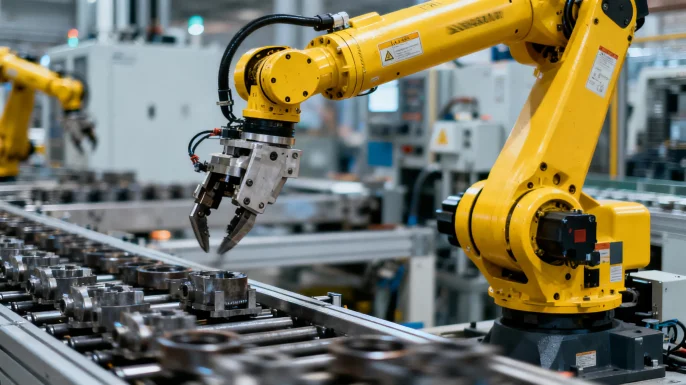 steel ball bearing balls