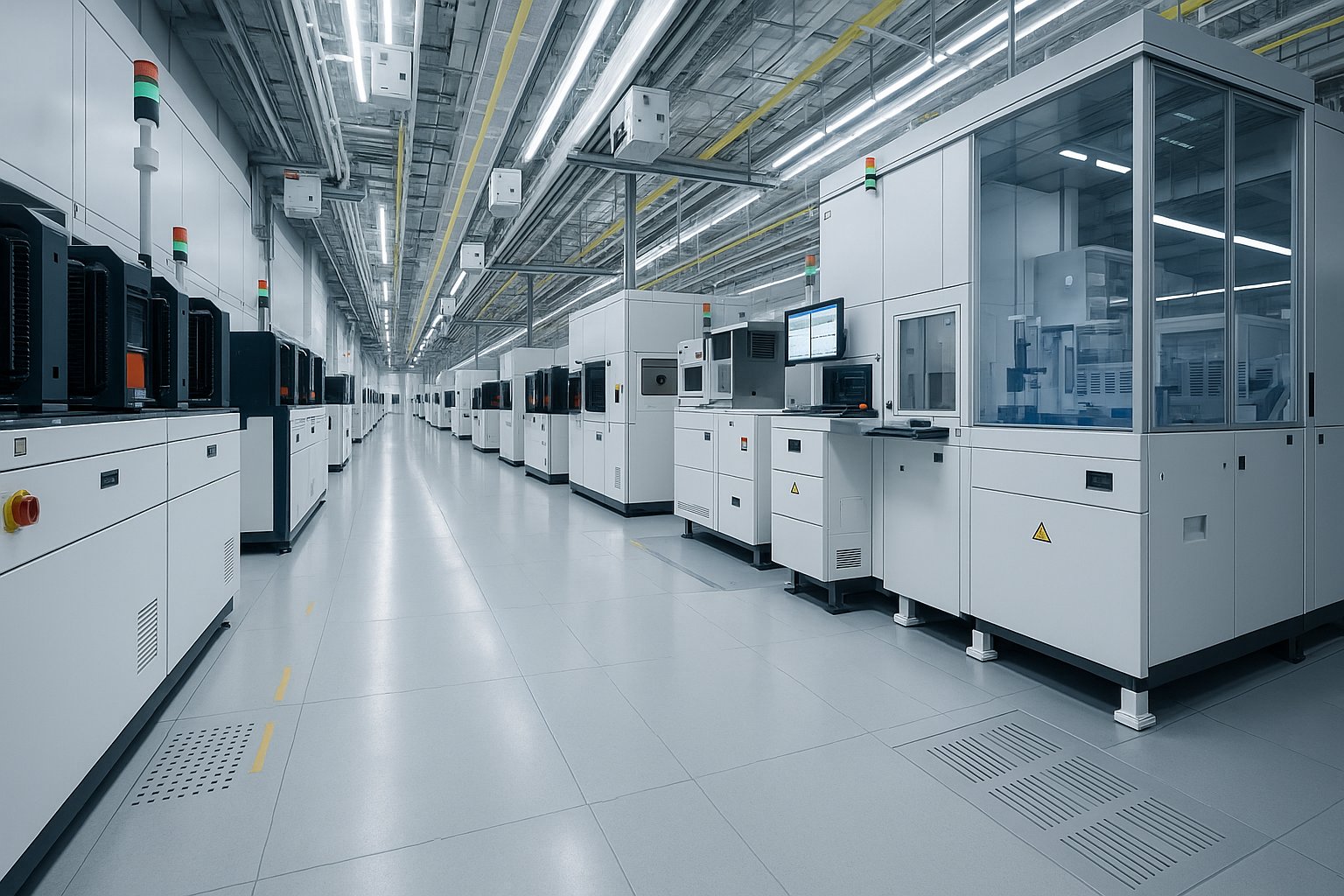
expansion focused icp etcher cloud enabled analytics?
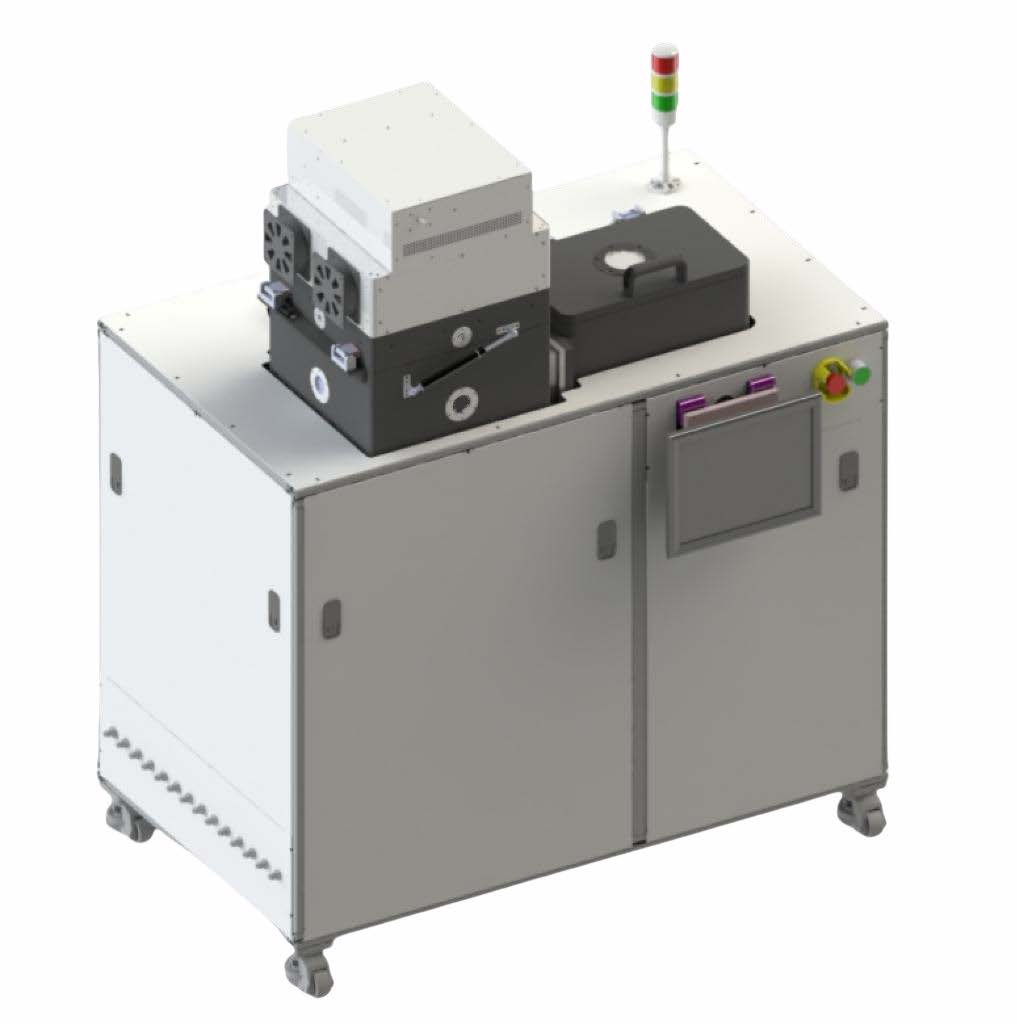
Basic Principles in ion-assisted etching across chip production. This operation exploits ionic medium to strategically clear substrate layers for exact layout creation during microscale production. By adjusting core determinants like gas blends, power output, and pressure force, the rate of etching, etch precision, and structural anisotropy can be accurately regulated. Energetic ion etching has transformed advanced electronics production, transducers, and innovative electronic systems.
- As well, plasma etching is regularly implemented for domains including optical science, medical fields, and materials engineering.
- Multiple kinds of plasma etching occur, including ion-based reactive etching and inductive plasma removal, each with specific merits and weaknesses.
The challenging characteristics of plasma etching depend on a systematic grasp of the principal worker science and chemical dynamics. This discussion seeks to offer a broad presentation of plasma etching, featuring its key points, different versions, implementations, strengths, issues, and prospective trends.
Riechert Systems for Exact Microfabrication
Regarding the field of microscale manufacturing, Riechert etchers are preeminent as a frontline technology. These novel devices are recognized for their remarkable fineness, enabling the manufacturing of detailed shapes at the micron-scale dimension. By employing sophisticated etching methods, Riechert etchers deliver clear-cut handling of the manufacturing sequence, yielding outstanding outcomes.
The scope of Riechert etchers embraces a multifaceted selection of fields, such as nanodevices. From fabricating microchips to designing innovative medical gadgets, these etchers represent a foundational element in molding the future of scientific progress . With commitment to mastery, Riechert establishes norms for exact microfabrication.
Basics and Deployment of Reactive Ion Etching
Plasma ion reaction etching acts as a important process in semiconductor fabrication. RIE leverages a fusion of plasma ions and reactive gases to etch materials with fine control. This action comprises bombarding the targeted material with high-energy ions, which collide with the material to form volatile evaporated products that are then transported by a flow mechanism.
RIE’s proficiency in controlled etching direction makes it notably beneficial for producing complicated schematics in semiconductor components. Implementations of RIE comprise the transistor fabrication, circuit boards, and photonic modules. The technique can also develop vertical channels and interconnects for high-capacity storage.
- RIE-based techniques deliver tight command over chemical removal rates and selectivity, enabling the construction of elaborate designs at superior clarity.
- Diversified gas species can be chosen in RIE depending on the substrate and target etch characteristics.
- The non-isotropic quality of RIE etching enables the creation of perpendicular walls, which is important for certain device architectures.
Optimizing ICP Etching Characteristics
Inductive discharge etching has become recognized as a vital technique for constructing microelectronic devices, due to its superior capacity to achieve well-defined etch orientation and targeted etching. The fine regulation of process inputs, including voltage supply, component balances, and plasma pressure, enables the fine-tuning of substrate modification rates and device contours. This pliability facilitates the creation of elaborate shapes with restricted harm to nearby substances. By modifying these factors, ICP etching can successfully lower undercutting, a standard complication in anisotropic etching methods.
Review of Plasma Etching Strategies
Ion-assisted etching procedures are broadly executed in the semiconductor realm for constructing elaborate patterns on workpieces. This investigation evaluates different plasma etching mechanisms, including ion beam etching, to analyze their usefulness for distinct materials and functions. The analysis draws attention to critical elements like etch rate, selectivity, and surface morphology to provide a broad understanding of the advantages and issues of each method.
Enhancing Etch Rates through Plasma Calibration
Achieving optimal etching levels in plasma processes entails careful variable adjustment. Elements such as energy level, composition blending, and force application greatly affect the pattern forming speed. By methodically modifying these settings, it becomes practical to elevate operational effectiveness.
Comprehending the Chemistry of Reactive Ion Etching
Reactive charged particle etching is a primary process in micro-device manufacturing, which concerns the exploitation of charged ions to selectively etch materials. The primary principle behind RIE is the reaction between these energized particles and the target material top. This encounter triggers chemical changes that separate and shed fragments from the material, producing a intended texture. Typically, the process uses a fusion of chemical agents, such as chlorine or fluorine, which become ionized within the reactor. These electron-deficient substances impact the material surface, producing the material degradation reactions.Effectiveness of RIE is contingent upon various aspects, including the type of material being etched, the preference of gas chemistries, and the processing factors of the etching apparatus. Targeted control over these elements is fundamental for maintaining high-level etch formations and avoiding damage to bordering structures.
Controlling Etch Profiles in ICP Systems
Achieving accurate and regular configurations is vital for the excellence of countless microfabrication practices. In inductively coupled plasma (ICP) fabrication systems, modulation of the etch pattern is important in establishing dimensions and characteristics of parts being manufactured. Major parameters that can be modified to influence the etch profile contain plasma gas ingredients, plasma power, heated layer condition, and the tooling design. By thoughtfully tuning these, etchers can engineer forms that range from equally etching to profile-controlled, dictated by specific application specifications.
For instance, mainly vertical etching is often sought to create lengthy cuts or through-holes with clearly marked sidewalls. This is completed by utilizing strong bromine gas concentrations within plasma and sustaining limited substrate temperatures. Conversely, symmetrical etching produces smooth profile profiles owing to its natural three-dimensional character. This type can be effective for area-wide material removal or finishing.
What's more, state-of-the-art etch profile techniques such as alternating gas etching enable the manufacturing of ultra-fine and slim and extended features. These approaches generally need alternating between reactive phases, using a concoction of gases and plasma conditions to achieve the intended profile.
Discerning key influences that shape etch profile precision in ICP etchers is required for enhancing microfabrication strategies and delivering the aimed-for device functionality.
Advanced Etching Procedures for Semiconductors
Ion-assisted plasma treatment is a fundamental practice applied in semiconductor engineering to precisely eliminate compounds from a wafer sheet. This approach implements powerful plasma, a integration of ionized gas particles, to etch defined locales of the wafer based on their chemical traits. Plasma etching supports several upsides over other etching methods, including high etching orientation, which supports creating precise trenches and vias with minimal sidewall injuries. This fine control is fundamental for fabricating state-of-the-art semiconductor devices with layered structures.
Functions of plasma etching in semiconductor manufacturing are extensive. It is engaged to manufacture transistors, capacitors, resistors, and other fundamental components that make up the groundwork of integrated circuits. What's more, plasma etching plays a leading role in lithography protocols, where it enables the precise structuring of semiconductor material to shape circuit blueprints. The exquisite level of control delivered by plasma etching makes it an major tool for recent semiconductor fabrication.
Future Plasma Etching Innovations
Reactive ion etching methods remains in constant development, driven by the expanding icp etcher quest for better {accuracy|precision|performance