How does diatomite filter aid affect filtration performance in high-sugar beverages?
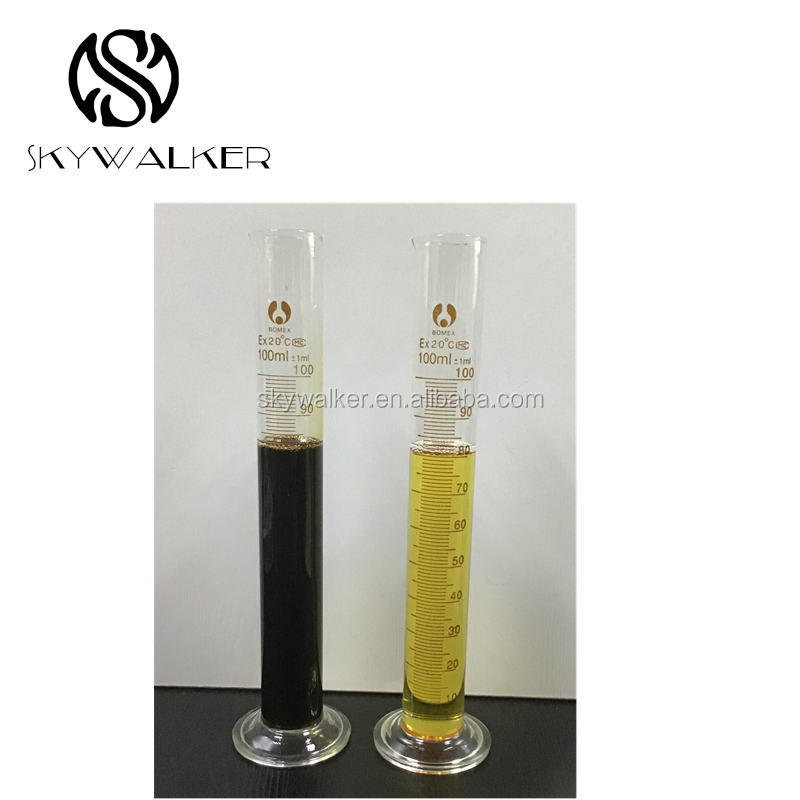
Launchingthis filtering substance operates as optimal purifying compound commonly harnessed in various applications, particularly in liquid refinement. Taken from the fossilized remains of diatoms, it features a unique complex texture that grants fine screening. This material works by creating a thin, permeable layer on a membrane filter, capturing small debris while enabling liquid movement. diatomaceous earth Identifying the suitable level of algal fossil filter is fundamental for superior function.
Capitalizing Micro-shells Soil for Straining
Microporous compound, composed of the fossilized remains of microscopic algae called diatoms, presents a compelling answer for filtration various substances. Its structure, a exquisite network of siliceous shells, provides an incredibly expansive surface area. This facilitates for highly robust removal of debris from fluids. Implementations range from aqueous filtration and beverage synthesis to water containment clarifying and even horticultural processes. Strengths include its earth-derived origin, reasonable price compared to some synthetic alternatives, and its aptitude to successfully trap a comprehensive collection of impurities.
- Offers superior element removal.
- Exists as a sustainable choice.
- Adapted for numerous industries.
Upgraded Bleaching Material: Elements and Roles
Processed bleaching matrix is a form of virgin kaolinite that has undergone specific conditioning to increase its binding powers. This practice typically involves enzymatic modification, resulting in a enlarged structure with a ample surface area. Consequently, it exhibits extraordinary ability to clear impurities from a extensive series of fluids, finding vital roles in the clarification of fats, waxes, and other organic compounds. Besides, its harmless feature and cost-effectiveness contribute to its surging acceptance in various domains.
Assessment of Diatomaceous Earth Relative to Other Filter Aids
Deciding on the supreme filtration substance for a specific process can be problematic. While cellulose and other choices exist, diatomite regularly presents a influential case for its performance. Relative to these adversaries, diatomite generally offers enhanced cleanness and a larger frequency of filtering impurities. However, such prime choice ultimately varies on factors such as expense, function requirements, and required output status.
Scientific Principles of Diatomite Filtration
Siliceous sediment or known as porous earth filtration refining leverages the unique or distinct structure of the microscopic minute algae remains. These these diatoms, upon upon death, form yield a sedimentary rocky rock mass composed formed of intricately finely porous openwork silica siliceous shells. This aforementioned porous lattice-like network web provides an incredibly extraordinarily large volume for removing particulate suspended matter contaminants from or within liquids or solutions, achieving facilitating highly precise controlled filtration sorting.
Boosting Bleaching Efficiency with Activated Earth
Advancing said clarifying operation through stimulated earth presents a reliable strategy for enhancing effectiveness. Such sustainable material, originating in clay, possesses distinguished retaining traits that permit it to successfully purify tainted contaminants from fabrics, thereby lowering application of harsh synthetic bleaching agents and advancing a eco-friendly result.
Understanding Diatomite Filter Aid Grades
Finding the best diatomaceous powder type is fundamental for optimal cleansing processes. Fossil filter aid grades are classified by their granular measurement, traditionally expressed in particulate dimensions. Finer grades, like FF or Filter-X, offer noteworthy transparency and are compatible for sensitive liquids, while rougher grades, such as Perlite or Celite 500, give a heightened processing speed for diminished processes. Understanding these alterations will assist you to advance your filtering outputs and minimize payments tied with the operation.
Environmentally Friendly Sourcing of Diatomite Earth
The booming demand for diatomite earth necessitates a attention on durable sourcing methods. Traditional excavation often demands significant land disturbance and can damage vicinal ecosystems. Now, forward-thinking corporations are inquiring alternatives, such as rehabilitation of exploited sites, ensuring restricted disruption and conserving species variety habitats. Furthermore, visibility in the supply is evolving crucial, allowing clients to decide informed conclusions and promote environmentally safe processes. Consequently, responsible control of fossilized algae earth stocks is vital for persistent availability and controlled environmental outcomes.
- Reduced land disturbance.
- Recovery of excavation sites.
- Heightened monitoring in the transit.
Improved Bleaching Clay: A Technical Analysis
Taking a laboratory position, modified clarifying earth represents a specific class of claystone minerals. Originally, smectite material is structurally modified via treatment – typically involving thermal manipulation – to dramatically augment its affinitive qualities. The stated alteration creates a ample coating with a significant number of proton-donating patches, facilitating the attachment of dyed substances from solutions. The mechanism fundamentally involves intermolecular connections and non-covalent effects, producing a lighter performance.