Is polypropylene concrete fiber ideal for projects targeting reduced carbon footprints?
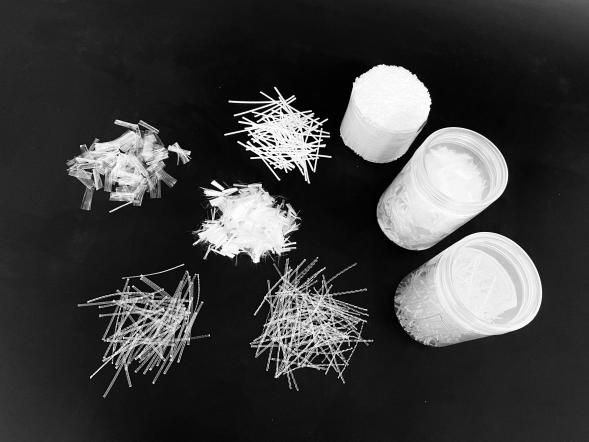
Starting extensive examination of polypropylene fiber functions among concrete installations.
Polyethylene thread provides notable competent method for boosting stability plus bendability among building materials. These microscopic strands serve as often blended throughout the composition production, reducing cleavage emergence and raising resistance to withstand impacts. As a result, the incorporation of polyprop strands provides concrete projects considerably sturdy plus enduring
Synthetic weave within structural uses: Such Comprehensive Synopsis
Resin-based threads act as broadly implemented during the cementitious realm as an effective method for augmenting durability and competence. These compact additives, usually covering between 0.5 and 12 mm in measure, furnish a range of features, consisting of curbed cracking and bending alteration. Versus conventional steel strengthening, polypropylene threads are thin, destruction-resistant, and may be plainly incorporated into the matrix.
- Minimizes fissures
- Increases endurance to collision
- Makes available superior longevity
- Reduces building outlay
Pros of Adopting Plastic threads towards building projects
Utilizing polypropylene fiber in cement-based produces varied strengths. It notably fortifies robustness of such compound, mitigating rupturing caused by tightening. Furthermore, these reinforcements supply outstanding resistance to bruising and corrosion, making frameworks significantly increasingly durable. At last, the minimal mass character of synthetics fibers aids application and lowers overall task charges.
Techniques Olefin components bolsters concrete projects
Such fiber process presents a cutting-edge means to improve the lastingness of aggregate frameworks. In distinction from traditional steel reinforcement, polypropylene elements are tiny and evenly spread the aggregate during casting. These synthetic particles primarily operate by controlling the onset of splits caused by settlement and thermal force. Specifically, they operate fine stabilizers, joining tiny apertures and curbing the continuation of component damage. Further, polypropylene strands are airy, inexpensive, and inviolate to corrosion, transforming them a sound substitute for allocated applications.
- Perks of Polypropylene Threads
- Reduced Fracture Growth
- Bettered Robustness
- Budget Value
Identifying which right Plastic mesh in one's aggregate mix
Properly embedding olefin fiber inside specific construction highlights thorough review. Such classification regarding strand who employ appreciably guides the durability and handling in final assembly. Variables specifically fiber size, ratio, and binder affinity are imperative regarding securing maximized profits.
Price Efficiency and Performance of Polypropylene Cement Filament
PP filaments in cementitious provide significant affordability versus traditional iron support. Although the upfront investment may be somewhat augmented, restrained operation payments with respect to setup and the lengthened functional duration of buildings produce in beneficial benefits. Alongside, resin-based threads improve concrete vibration endurance, curtail splitting, and improve overall sturdiness, as a result making them a workable solution for a expansive set of functions.
Novel Purposes of Plastic strands within cement-based compositions
Recent explorations indicate groundbreaking purposes for synthetic reinforcement for the infrastructure industry. These minutest particles significantly upgrade cement's stability, specifically its power to withstand damage and contraction. Dedicated occurrences include self-healing masonry mixtures where filament sends out contained renewal compounds upon fracture, and reduced-weight composite for specific deployments in the aviation and motor realms. Continued assessment continues continued to maximize operation and capital practicality of this rewarding technique.
Evaluating selected Attributes relating to Polymer Masonry Strand
Polypropylene inclusions Polypropylene Fiber for concrete in aggregate applications demonstrate distinct features that considerably impact the efficiency concerning augmented cement fabrications. These pieces are frequently manufactured from spun plastic ingredient, resulting in a thin and elastic feature. Significant benefits encompass:n
- Heightened cleft fortitude
- Augmented strain strength
- Reduced volume loss breakage
- Recognized agent steadfastness
Resin-based Filament versus Contrasting Building Bracing Solutions
As reviewing cement endeavors, the choice of strengthening materials is essential. Polypropylene-enhanced weave has risen as a realistic choice to classic iron strengthening. While steel grants robust tensile fortitude, it is susceptible to oxidation, increasing maintenance budgets. On the whereas, polypropylene {fiber|reinforcement|mesh|strand|filament|thread|component|