margin expanding heat stable pigging systems in sterilized foods?
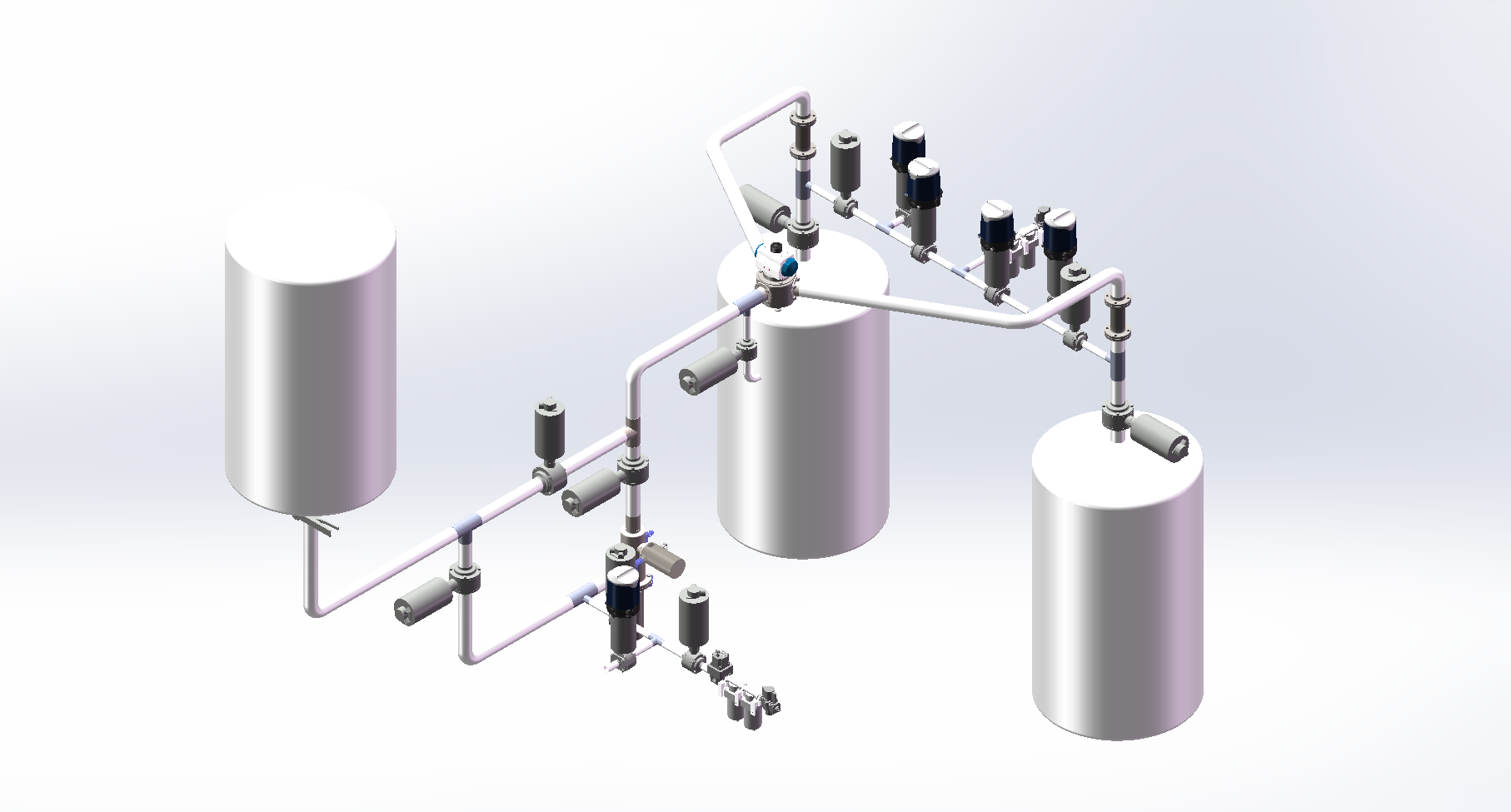
Opening Sophisticated Pigging sanitary pigging systems Solutions
Sanitary Pigging Solutions for the Food Industry
Performing food-safe pigging methods ensures optimal sterility combined with hygienic throughput. These protocols consist of durable sanitary metals built to enduring strict sanitization processes over blocking pathogen proliferation.
- Advanced engineering incorporate precision cleaning protocols, increasing system reliability.
- Adherence to industry protocols is key for all sanitary pigging system operated in nutritional product production. Systems are assembled to fulfill strong criteria, confirming the highest safety levels.
Elevating Pipeline Optimization via Pigging Tools
Pigging innovation for pipelines supplies a robust technique for improving conduit productivity. By deploying intelligent device insertion and strategic inspection schedules, supervisors can diminish pipe outages, increase fluid speeds, and ensure network health. Pigging exposes potential problems such as hindrances or decay but also enables efficient upkeep and testing approaches. This proactive line operation considerably cuts budget outflows and adds to the complete trustworthiness of distribution channels.
Pipeline Cleaning Systems in Pet Food Production
Pipeline sanitation devices have become necessary components within the pet food manufacturing industry. These systems facilitate the safe and efficient movement of elements through lines, mitigating impurity introductions. By effectively isolating different components or processing series, pigging systems support sustain the highest levels of condition and trustworthiness in pet food production.
What's more, pigging systems yield a portfolio of benefits, involving reduced downtime for upkeep and inspection, improved processing effectiveness, and small consumable loss. The use of pigging systems conclusively backs the production of uncontaminated, healthful, and constant pet food.
The Importance of Sanitary Design in Pigging Systems for Pet Food
Within the development of pet food, achieving reliable sanitation is fundamental. Pigging systems are central in guaranteeing product integrity and security by successfully cleaning pipelines between fabrication stages. A well-designed pigging system entails parts that reduce pollution hazards, increase secure cleaning workflows, and block ingredient transfer between batches.
- Employing polished textures controls the potential for biofilm development.
- Compounds that are sanitizable and abrasion-resistant are required for maintaining hygiene.
- Suitable controllers avoids the reverse flow of intrusions during decontamination and ingredient conveyance.
Optimized pigging constructs also boost operational efficiency by decreasing downtime for maintenance. By carefully clearing residues and fending off cross-contamination, these systems assist to a more robust production process, conclusively leading to the assembly of uncontaminated and outstanding pet food.
Pipeline Hygiene and Evaluation
Conserving the stability of flow paths is vital for uncontaminated and effective movement of products. Pigging systems deliver a practical approach to servicing pipelines. A pig, also referred to as a pipeline apparatus, is a robotic device introduced through the pipeline to perform various duties. Cleaning pigs eliminate buildup and contaminants, while inspection pigs are equipped with instruments to detect deterioration in the pipe walls. Regular pigging helps diminish pipeline downtime, securing safe and reliable process.
- Various types of pigs function, each designed for specific roles.
- Pigging operations are effective and can be managed remotely.
- Executing a pigging program can extend the longevity of pipelines and cut down maintenance costs.
Leading-Edge Pigging Methods for Pet Food Production
Pigging is recognized as a important strategy in the pet food industry, affirming efficient and sanitary production.
Sophisticated pigging technologies use sophisticated machinery to successfully decontaminate pipelines. This diminishes the risk of intermixing between different pet food batch variations, thereby elevating product safety and quality.
Furthermore, advanced pigging technologies offer a range of benefits such as: * Improved effectiveness in sanitation operations * Decreased inefficiency periods * Optimized disinfection processes * Limited demand for risky chemicals
The deployment of these technologies underscores the pet food industry's commitment to manufacturing safe and nutritious products for purchasers.
Hurdles and Strategies in Pigging Systems for Pet Food Production
Pipeline cleaning systems are necessary in the pet food production process, confirming efficient distribution of substances and finished products. However, these systems deal with diverse challenges. One common challenge is blockages caused by mass buildup. Controlling this concern involves utilizing pigging solutions such as modifiable appliances and adjusting ingredient compositions.
Another setback is the hazard of contamination. Reduce this, strict sanitation protocols are to be enforced throughout the pigging system. This constitutes regular cleaning of pigging mechanisms and application of robust cleaning extracts. Regular checks are also important to uncover potential challenges early on. By implementing these solutions, pet food manufacturers can safeguard the efficiency and security of their pigging systems.
Advantages of Pigging in Pet Food Production
Pipe cleaning techniques offer a variety of profits for pet food manufacturers looking to increase their production processes. These systems employ force-led pressure for the purpose of propel specific pig, a cleaning device, through the pipeline, successfully removing product residue and contaminants. This, pigging systems aid to improved hygiene standards, decreasing the risk of cross-contamination and ensuring a safer final product for users.
- Furthermore, pigging systems can enhance production efficiency by minimizing downtime for cleaning and maintenance.
- Moreover, they promote to cut down waste by restricting product loss during pipeline cleaning.
- Moreover, pigging systems can be configured to fulfill the specific requirements of different pet food production lines.
Documented Pigging Benefits in Pet Food Manufacturing
Pet food manufacturing field is advancing in efficient and sanitary processes for securing optimal product quality. Pigging systems have turned into a popular solution to meet these demands, offering a trustworthy method for cleaning and evaluating pipelines within pet food plants.
Many case studies illustrate the efficiency of implementing pigging systems in various stages of pet food production.
- Brands like [Company A], [Company B], and [Company C] have declared significant improvements in sanitation, product trustworthiness, and overall operational productivity following the adoption of pigging systems.
- Results such as reduced downtime for cleaning, diminished cross-contamination risks, and improved accountability of product flow have been observed in these case studies.
Besides, pigging systems contribute to green reduction by boosting resource utilization and minimizing waste generation.
Choosing the Right Pigging System for Your Pet Food Pipeline
Concerning preserving the safety standards of your pet food network, a consistent pigging system is essential. Pigging systems maximize efficiency by eliminating product residue and curbing cross-contamination between batches. Selecting the fitting system depends on a variety of features, including your operational size, product characteristics, and current infrastructure.
- Assess the size of your channels to ensure a matching pig design.
- Evaluate the fluidity of your pet food products to identify the appropriate pig material and rapidity of operation.
- Stress systems that embrace features like controlled launching and retrieval for heightened operational safety.