Measuring innovative hardware efficiency Are embedded device energy efficiency and battery life improvements greater on x86 or arm
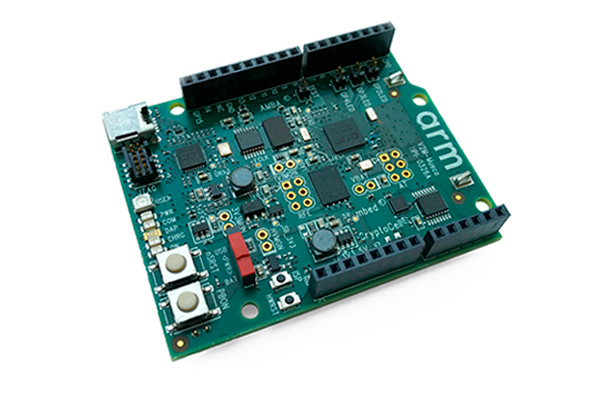
Throughout history, the hardware realm has been influenced by two fundamental blueprints: the ARM and x86 models. Both structures offer individual merits, leading to a dynamic clash for sales leadership. While the traditional x86 platform, has long held the crown in consumer and corporate computing areas, ARM's emergence is notably astonishing.
The operational effectiveness advantage of ARM, coupled with its multifunctionality, has made it a favorite choice for portable units and internal mechanisms. However, ARM is now striving to conquer new realms, including notebook computers and server farms. The drive has inspired the existing x86 powerhouses, who are shifting with progressive approaches to maintain dominance.
- Major divergences in layouts influence operation speed, power consumption, and overall system design.
- The shifting requirements of developers are driving the demand for more optimized computing solutions.
Therefore, the rivalry of ARM versus x86 is an active and evolving arena, with both platforms continuously evolving to meet the demands of a rapidly changing world. The outcome of this competition remains to be seen, but one thing is certain: the future of computing will be shaped by the innovations and advancements of these two titans.
x86 vs armPicking ARM versus x86 Based on Efficiency
During the progressively advancing hardware realm, selecting the most effective processing framework can be a challenging endeavor. Two titans dominate the market: ARM and x86. Both offer compelling features, but their performance details diverge significantly. This extensive analysis delves into the nitty-gritty of each architecture, empowering you to make an informed option.
- Throughput
- Energy Efficiency
- Value
Benchmark study will be conducted, real-world use cases, and the benefits of each architecture, helping you determine which platform best suits your necessities.
Why ARM Dominates x86 in Integrated Systems
ARM microprocessors remain pivotal within the built-in device marketplace. This success relates to multiple fundamental reasons. First, ARM's layout prioritizes minimal consumption, making it ideal for devices with limited power budgets. Second, the ARM ecosystem features an extensive and vibrant network of developers and hardware partners, providing ample support and modernization. Finally, ARM's user-friendly patent framework backs customization for particular tasks, leading to a wide range of offerings. These factors have amalgamated to confirm ARM preference for countless embedded devices, from smartphones to smartwatches and even industrial devices.
Top x86 Single Board Computers for Professionals
Determining the top x86 SBC requires scrutiny, especially when you're a skilled practitioner. You need a device that can perform robust functions, offer powerful execution, and provide a platform for sophisticated processes.
- Several factors contribute to the best SBC for your needs, including processing power, RAM capacity, storage options, connectivity features, and community support.
- For true power users and professionals, a board with a high-performance CPU such as Intel i5 or AMD Ryzen 5 is essential.
- Complemented by large RAM and speedy storage necessity for smooth and efficient operation.
Resist the temptation of minimalistic SBCs; invest in a platform that can completely support your projects.
In-Depth Survey of x86 Single Board Technology
Understanding affordable x86 single board tech opens new horizons. These nimble solutions afford wide-reaching benefits for learners. From building connected living setups to coding innovations, x86 SBCs provide a customizable, wallet-friendly system for advancement. This guide will enable mastery over the growing field of x86 SBCs, bringing to light qualities of these exceptional components.
- Uncover the evolution of x86 SBCs shaping the digital framework.
- Compare popular x86 SBC models, considering specifications and target audiences.
- Learn essential hardware components that comprise an x86 SBC system.
- Investigate application stacks and OS platforms supporting x86 SBCs.
- Unveil pioneering use cases for x86 single board devices in diverse sectors.
Shift Towards ARM Dominance Across Desktop Platforms
Even if primarily famous for mobile tech leadership, ARM architecture is steadily making inroads towards workstation technology fields. Several factors contribute to this shift, including the increasing demand for energy-efficient computing and the growing popularity of cloud-based applications. Firms like Apple adopt ARM designs for notebook devices, demonstrating the potential for high productivity. This trend is further fueled by the development of new platforms specifically tailored for desktop workloads. As these innovations mature and become more widely available, we can expect to see ARM's presence increase significantly throughout future times within personal computer sectors.
Understanding Differences Between x86 and ARM for Best Choice
When choosing a computing unit, two major design philosophies present: x86 and ARM. Both offer distinct profits, making the decision a matter of aligning your needs with the right platform.
Classic x86 design benefits from tough performance plus expansive program collections It rules in desktops, laptops, and workstations, particularly for demanding tasks like gaming or video creation. ARM, on the other hand, highlights energy efficiency and a compact design. This allows it ideal for mobile devices, embedded systems, and increasingly, virtual infrastructures.
- Reflect on your foremost performing task: Are you a content creator? Do you need raw power or economical energy consumption?
- Examine software running ability on various models. Not all applications are available on both platforms.
- Account for pricing and device access depending on CPU style.
Petite yet Robust Elite ARM-Based Computers
The world of single board computers has exploded in recent years and ARM processors dominate due to efficiency and versatility. These compact gadgets pack a surprising punch, offering incredible capabilities within a minute footprint. For hobbyists, makers, and even professionals, ARM-based SBCs provide a flexible platform for everything from learning about electronics to building fully functional devices. Whether you're looking for a budget-friendly option or a high-performance powerhouse, there's an ARM-based SBC out there to meet your needs.
- We delve into leading players within this thriving sector!
Measuring ARM in Contrast to x86 Effective Speed
Placing ARM against traditional x86 schematics in testing yields compelling data. While x86 has traditionally prevailed in computing muscle, particularly for complex software, ARM systems are consistently narrowing differences, especially in areas like mobile performance and energy efficiency. The recent surge in popularity of ARM-based microprocessors found within laptops and PCs further fuels this struggle. It's important to note that benchmark results can be controlled from assorted sources, including the specific version under review, task demands, and operating platform. Therefore, it's crucial to evaluate evaluations thoughtfully above mere counts.
Does ARM Displace x86 to Prevail as Main Architecture
The electronic sector perpetually adjusts, and one of the most intriguing trends we're witnessing is the rise of ARM architecture. While x86 has long influenced the market, ARM's operational thrift gains accelerated popularity. This has led to talks that ARM likely override x86 as the primary architecture.
- Multiple reasons fuel this progression: ARM's low-energy system attracts handheld electronics, notebooks, and data hubs.
- Besides, ARM's broad licensing policy boosts invention within the market, constructing expansive collections of ARM-built chipsets.
Yet x86 preserves a commanding market share. Prominent firms devote significant budgets to x86 evolution, and current deployments will keep working for a long time.
In conclusion it remains uncertain if ARM will completely overtake x86. The innovation trajectory rests on joint utilization of both models, with each contributing separately to unique usage domains.
Exploring the Convergence of ARM and x86 in Computing
The IT domain advances swiftly. Once distinct architectures, ARM and x86 are now on a collision course, converging to reshape the future of processing power. This convergence holds immense potential for developers and consumers alike. ARM's energy efficiency and compact design have made it the dominant force in mobile devices, while x86 has long reigned supreme in desktops and servers. However, integration is increasing, driven by factors such as the increasing demand for mobile computing and the rise of cloud services.
- This integration probably results in varied hardware assortments, powered by hybrid architectures that exploit merits within both CPU types. This could result in higher-performing mobile gadgets with enhanced energy storage alongside economical servers.
- Besides inventors welcome diversified development utilities, enabling them to create innovative applications that forge fresh paths. The future of computing holds great promise, with ARM and x86 convergence playing a pivotal role in shaping the next generation of technology.