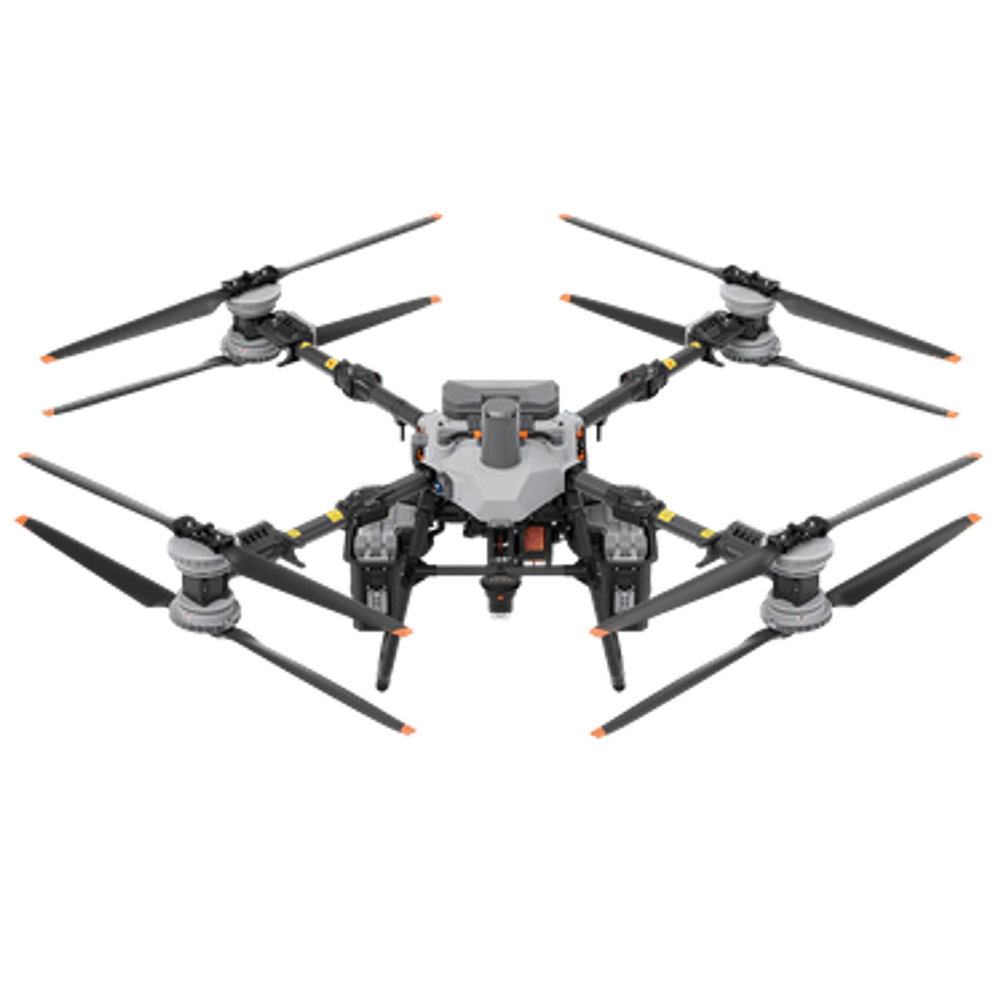
mission ready deployment focused is your fleet roadmap prioritizing the agras t platform for scalable spraying?
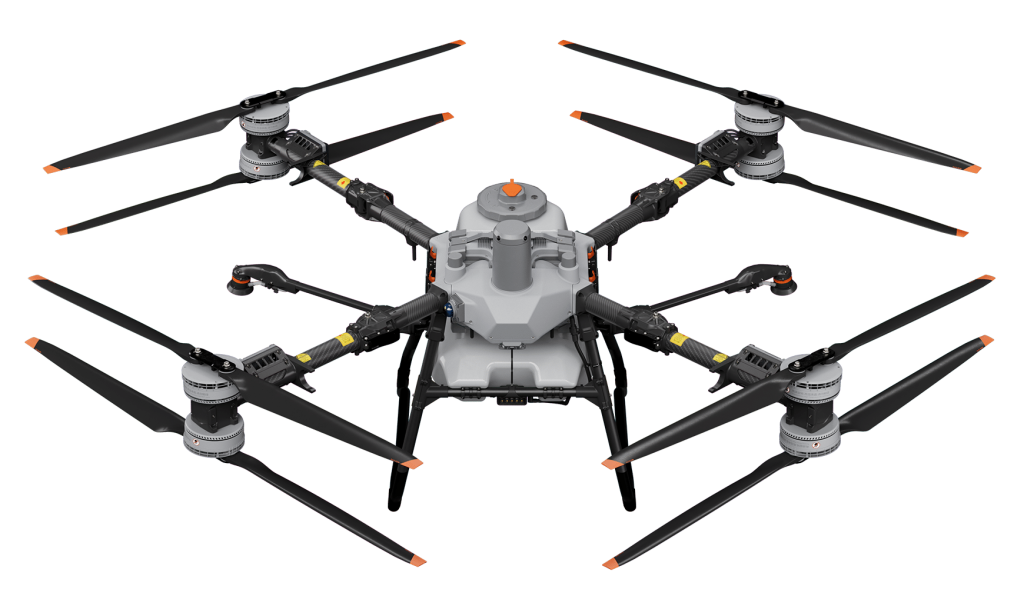
Beginning an overview of farming pilotless aircraft drone spraying british columbia reveals groundbreaking solutions reinventing up-to-date horticulture.
Strengths along Applications of Agricultural UAVs
autonomous flyer developments grants various merits concerning producers, comprising exact harvest assessment, time-saving implementation of agents like micronutrients, and limitation of staffing. Besides, remote flyers permit instantaneous insight acquisition and evaluation, resulting in informed actions and heightened yield.
Deploying aerial devices within agribusiness tasks aids exactness cultivation methods, reduces efficiency drain, and strengthens responsible crop production. UAVs contribute in examining vegetation status, detecting harmful organisms, and supervising watering and plant feeding with high reliability.
Advancements Accelerating Agrarian Unmanned Aerial Vehicle Devices
Modern breakthroughs in remote flyer tools have fueled fine agriculture with enhanced clearness and productivity. State-of-the-art monitors and excellent scanning facilities outfit drones to accumulate critical figures on vegetation condition and land characteristics, facilitating prudent administration decisions that amplify output and curtail expenses.
Merits of Integrating Flying Robots in Detailed Agriculture
Leveraging of autonomous vehicle systems in controlled agriculture reveals varied assets including advanced production levels, fine-tuned resource management, and curtailed pollution levels. Furthermore, drones deliver forward-looking capabilities such as live observation, unmanned deployment systems, and targeted sowing that enhance performance and decrease operational investments.
Challenges and Fixes regarding Horticultural Aerial Device Utilization
Despite the various gains of autonomous flyer devices, harvesters cope with challenges including elevated startup investments, sophisticated statutory requirements, and software-related shortcomings. On the other hand, progress in drone design, enhanced laws, and availability tools are aiding to resolve these problems and promote wider adoption in the rural sector.
Projections for Horticultural Aerial Devices
Forecasting, the influence of flying robots in agribusiness is estimated to develop significantly. Advances in machine learning are set to improve drone capabilities, enabling even more meticulous agricultural inspection. Combination with IoT devices is anticipated to bring unique returns and green practices to cultivation. Overall, agricultural aerial devices are prepared to redefine the landscape of harvest management in the coming years.