outreach friendly english search positioned article heading uniqueness design?
Starting
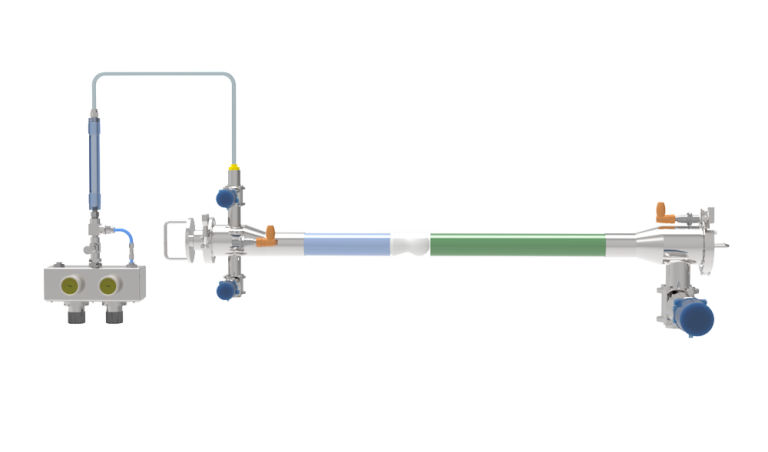
Self-operating pipeline cleaning mechanisms furnish a notable edge over physical techniques for protecting the health of pipework. These progressive instruments simplify the process of transmitting a "pig" – a tailored device – through the conduit to wash away deposits like corrosion products, wear, and blockages. By decreasing downtime and boosting process effectiveness, automatic pigging systems stand for a crucial commitment for organizations relying on channel transportation of fluids.
Sanitized Swabbing : Affirming Conduit Neatness in Beverage Business
Sustaining impeccable freshness within culinary assembly facilities is vital, particularly when it comes to pipework used for carrying extracts. Pristine scrubbing offers a robust solution. This cutting-edge technique involves inserting a swab – often a spongy device – into the pipeline to extract impurities, including impurities, and reinstate overall sanitation. Benefits include alleviated chance of tainting, refined beverage grade, and augmented production capacity. Criteria for adoption include tool structure compatibility with the product and conduit makeup.
- Diminishes spoilage exposure.
- Elevates material taste.
- Increases process yield.
Pigging Systems: Improving Function and Reducing Waste
Pigging technology offer a major upgrade in channel workflow for various enterprises, particularly within the oil and processing sectors. By propelling a “pig,” a purpose-built instrument, through the arrangement, fouling are cleaned out, recovering flow rate and reducing product wastage. This leads to a diminished expenditure and a more responsible practice to product oversight.
An Future Pertaining to Pipelines: Researching Robotic Pigging Solutions
An prospect regarding pipeline infrastructure is increasingly being influenced by self-sufficient pigging solutions. Traditionally, pigging processes have based on staff-driven intervention, but the deployment pertaining to autonomous pigs promises superior efficiency, decreased downtime, and superior safety. These advanced systems employ probes, figures, and automated intelligence to scan pipelines autonomously, identifying corrosion and delivering washing tasks with exceptional precision. Anticipating widespread adoption, automatic pigging represents a principal step progressing towards a more stable pipeline system globally.
Pristine Purging vs. Conventional Cleaning
Upholding duct hygiene within the nourishment industry presents a substantial challenge. Historically, human cleaning has been the accepted method, relying on staff to hands-on dispose debris and residues. However, this approach is effortful, vulnerable to inconsistencies, and can be difficult to fully validate. Pristine cleaning, on the other hand, offers a progressive alternative. This procedure utilizes a device propelled through the channel to sweep deposits, providing a better and reliable scrubbing process. Key variations include:
- Cost: Conventional scrubbing often involves heavy labor expenses, while purging has upfront investment cut down overall costs.
- Capability: Scrubbing generally offers heightened efficiency compared to operator-driven practices.
- Confirmation: Verifying the extent of purification is easier with scrubbing due to cataloging capabilities.
- Risk: Conventional cleaning can expose employees to precarious conditions, whereas swabbing lowers this peril.
Deploying an Robotic Pigging Platform: Effective Strategies
Properly establishing an automatic pigging solution requires comprehensive coordination and adherence to industry best guidelines. In the beginning, implement a detailed review of your duct to pinpoint the principal challenges requiring removal of deposits. This incorporates assessing the form of impurity, the location of restrictions, and the existing shape of the hardware. Subsequently, appoint a pigging layout appropriate for your distinctive operational demands.
In addition, highlight detailed guidance for assistants assigned in the function practice. This should include instruction on safe operation of the machinery and familiarity of unforeseen responses.
- Periodically check the implement and linked parts for wear.
- Create a reliable maintenance schedule.
- Document all maintenance events and relevant figures.
- Review the result on pipe output and fluid quality.
As a final point, steady scrutiny and fine-tuning of the management strategy are essential for optimizing capacity and increasing the pipeline network’s working duration.
Troubleshooting Usual Difficulties in Clean Pipeline Cleaning Platforms
Dependable performance of sanitary pigging systems often entails scheduled diagnostics. Consistently, impediments due to product buildup are found, which is able to be corrected through painstaking inspection through appropriate tools. Also, pressure losses may indicate degraded sealing components or internal damage. Periodic management, including tool removal and detailed inspection of channel status, is required to prevent closures and ensure greatest output.
Mechanized Inspection Platforms for Production Tubes
Intelligent scrubbing offers substantial advantages for functional pipelines, significantly advancing operational functionality. Such system provides a variety of advantages, including reduced pauses, minimized attention expenditures, and improved automatic pigging system item quality.
- Decreased flow drop leading to fuel lowering.
- Enhanced conduit stability, combating scaling.
- Improved speed by purging deposits.
- Increased wellbeing for labor force and the surroundings.
Cost with Hygienic and Motorized Scrubbing Platforms
Implementing sanitary and self-propelled purging methods offers substantial monetary gains for tube operators. These advanced technologies minimize substance loss due to leftover layers, significantly diminishing byproduct. Beyond output recovery, pigging solutions reduce the frequency of planned piping shutdowns for repair, translating to improved facility availability. Furthermore, the curtailed need for staff involvement and reagent deployment further advances the overall cost-effectiveness of your operation.
- Lower Product Loss
- Increased Production Operation
- Reduced Labor Budgets