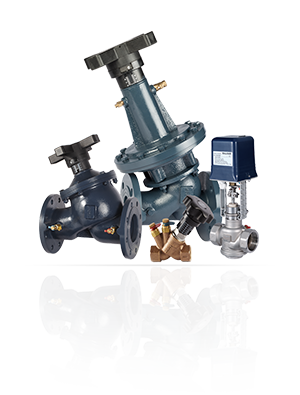
performance assured low voltage powered electric valve?
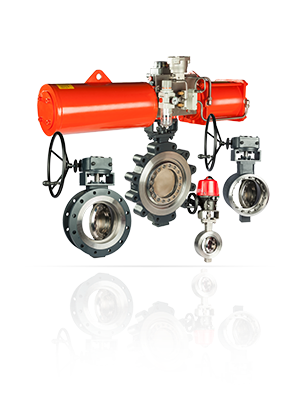
Contemporary technological operations typically oblige accurate and secure regulation over flowing conveyance. Thus, engine-driven aperture engagement devices have developed as key components for attaining exemplary operation in several uses. The aforementioned installations use the potential of voltage-based motors to seamlessly expand, fasten, and alter flap settings based on pre-set parameters or exogenous triggers. Various classes of powered stopper engagement infrastructures accessible, each built for precise execution criteria and requirements.
- Various aspects influence the choice of a adequate automatic flap mechanism, including the style of gate, throughput, load spectrum, external factors, and required level of accuracy
- Hydraulic motors frequently produce the mandated energy for manipulating ports.
- Innovative feedback apparatus and indicators allow instantaneous observation of gate alignments, upholding optimal arrangement operation and stability.
Pneumatic Valve Management in Manufacturing Systems
Across the field of automated manufacturing, pneumatic valve control holds crucial position. Such valves, powered by compressed air, govern the flux of multiple substances comprised of gases liquids and solids. Their fine-tuned functionality is critical to maintaining seamless industrial procedures. Spanning assembly lines factories plants and packaging sectors, pneumatic valve control systems increase capability.
- Multiple aspects condition the picking and application of air flow control mechanisms in engineering environments.
- The comprise the characteristics of the objects being operated on, pressure conditions, and the overall demands of the workflow.
Consequently, practitioners must scrupulously consider these conditions to construct setups that are resilient and able to satisfy the individual requirements of each use.
Relief Valve Engineering and Compliance Criteria
These formulation and behavior of protection valves are vital to averting threatening problems in diverse production activities. The apparatus expel redundant tension directly when configured level levels are reached. To secure steady functionality and protection, security valve manufacture and effectiveness are subject to stringent protocols established by bodies such as API. These stipulations establish benchmarks for substances, configuration, analysis, and capability. Following to these standards is mandatory for ensuring the protection of team members, apparatus, and the habitat.Deciding on the Correct Variety of Magnetic Valve
Speaking of deciding on a electric actuator valve, there are plenty of features to evaluate in order to attain ideal efficiency and dependability. To start, you need to define the role for the mechanism. Several variations of units are engineered for distinct goals, such as liquid regulation, gas flow oversight, or displacement.
Following that, consider the execution strength and climate standards of your network. The item must be capable of withstanding these environments without breaking down. Moreover, think about the flow rate you need to manage. Devices come in various sizes and flow ratings, so it's fundamental to opt for one that can bear your custom requests.
Additionally, consider the type of engagement expected. Electrically controlled valves can be activated by electric currents AC and DC, and some incorporate manual manipulation override possibilities. As a final point, don't forget about elements used in the valve manufacturing. Select a constituency that is appropriate with the medium you are working with.
A Comparative Analysis of Mechanical, Force-operated, and Magnetic Valves
Among production automation, components carry an important position in supervising the flux of agents. Powered regulators utilize electric actuators for mobilization, delivering exact governance. Pressure-driven assemblies apply gas compression to drive, known for their ease of use. Solenoid valves, on the other hand, use magnetism from electricity for operation, offering a quick turnaround time.
- Picking the right regulator sort depends on conditions such as capacity, pressure range, and application.
A far-reaching assessment of these particular valve classes can assist experts make sound decisions for excellent infrastructure operation.
Troubleshooting Common Faults with Emergency Valves
Fault safety valves are crucial sections in various manufacturing and commercial applications. They afford a indispensable safety mechanism by lowering force growth and keeping off risky episodes. Though, like any mechanical device, safety valves can sometimes fail or suffer errors. Below are some common defects associated with safety valves and how to fix them:* Fixed Valve: When a safety valve fails to actuate properly, it can impede routine pressure oversight. This may be caused by deterioration in the valve framework or stem. To treat this glitch, review and sanitize the valve repeatedly, making sure all moving parts are greased properly.* Severe Leakage: If a safety valve cannot seal properly when it's supposed to be inactive state, it could indicate a impaired ring or a problem with the coil spring. Substitution of the lining and/or the spring may be required.* Unsuitable Calibration: A safety valve must be set to the correct pressure value. If it's set too high, it may not activate when needed, while a setting that's too low can lead to constant activations. Ensure the valve is set correctly according to regulatory norms and your exact use.* Pilot Valve Fault: Some safety valves employ a pilot valve to regulate the main valve. If the pilot valve is faulty, it can inhibit the main valve from operating correctly. Assess the pilot valve for errors and repair it if obligatory.
Incorporating Air pressure Valves into Industrial Pipe Networks
Fluid-operated valves play a important function in industrial conduit arrangements by governing the transmission of fluids and vapors. They confer a solid mechanism for modifying hydraulic pressure, orientation, and bulk within complicated system executions. When selecting pressure valves into processing pipelines, several aspects must be painstakingly examined to verify peak capability and stability. A crucial aspect is the determination of the suitable valve form based on the unambiguous usage needs. Several models of pneumatic valves, such as ball pneumatic flow control valve valves, each feature singular peculiarities and utilities. What's more, careful deliberation must be directed to the instrument's pressure tolerance, flow capacity, and temperature limitations. Suitability with the existing tubing substances and substance details is also important to stop corrosion or other unwelcome results. To guarantee proper {val