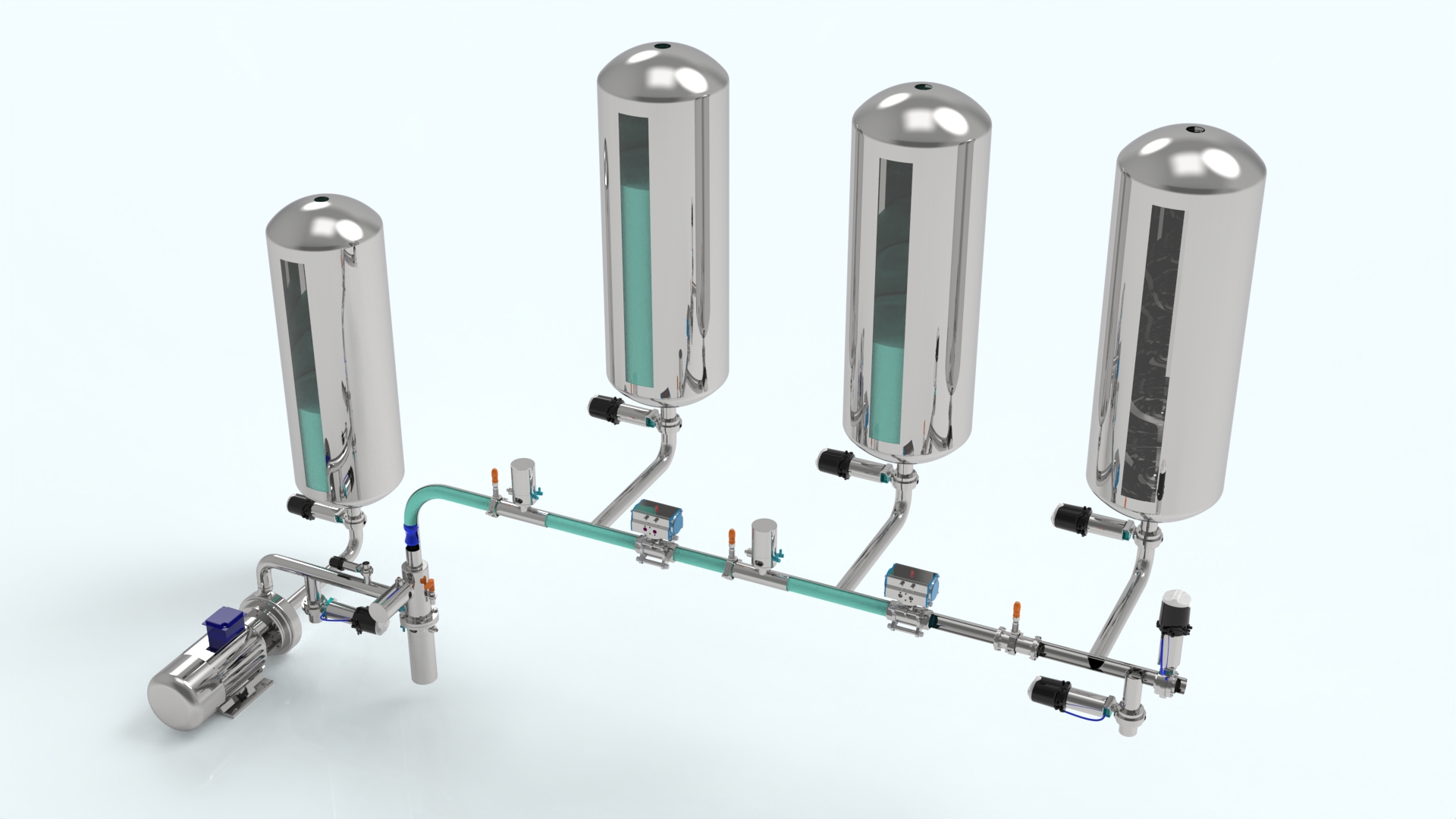
value added robust pigging systems for high pressure food pipelines?
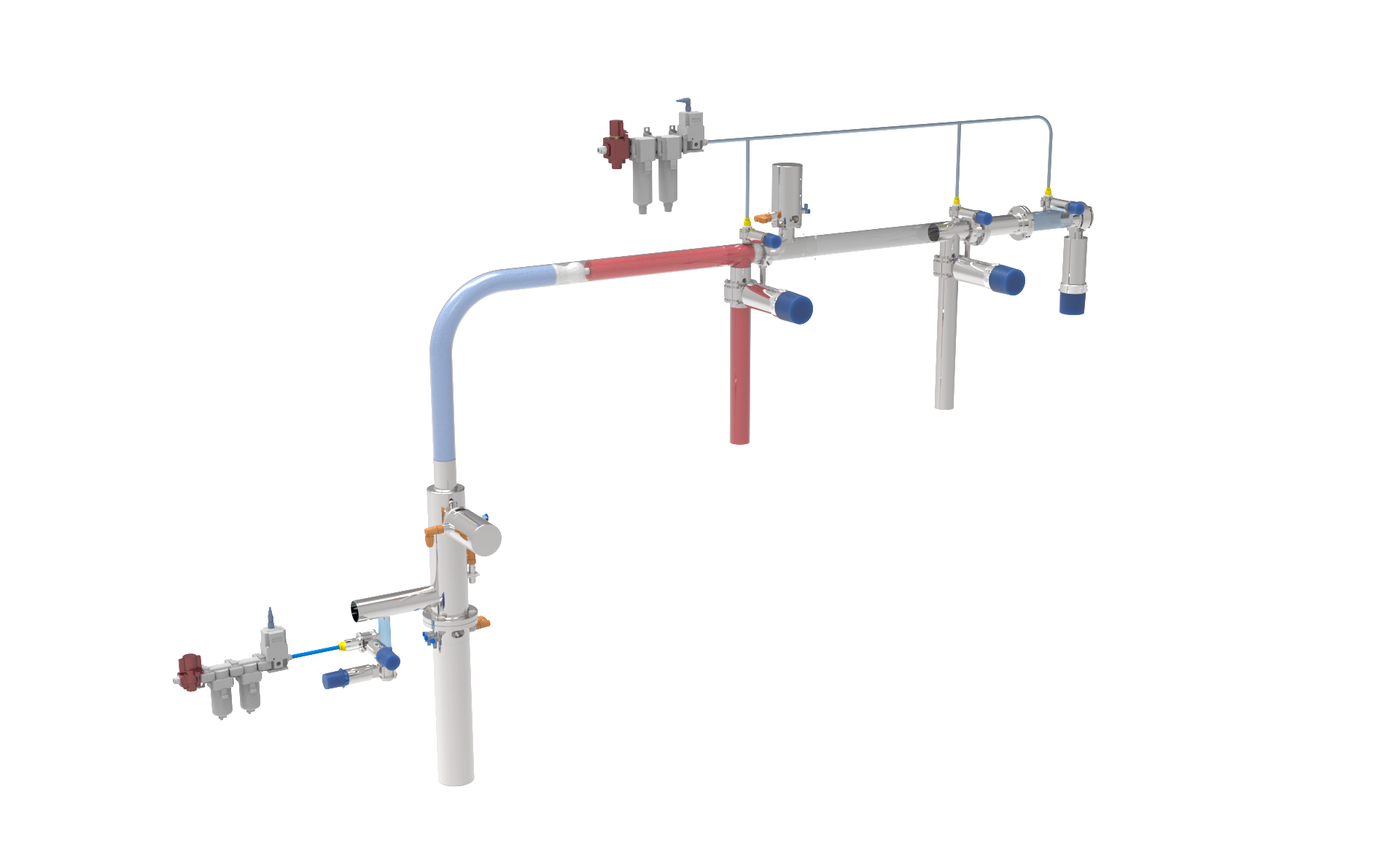
Commencing Advanced pigging systems Pigging Technologies
Sanitation-Focused Pigging Approaches
Employing food-compliant cleaning devices upholds premium neatness together with food contamination prevention. Such techniques include corrosion-resistant alloys built to enduring aggressive disinfecting methods as hampering biological contamination.
- State-of-the-art structures embed integrated CIP/SIP cycles, extending maintenance ease.
- Conformance to standards required for all sanitary pigging system operated in nutritional product production. Systems are fabricated to fulfill firm rules, securing the optimal production standards.
Enhancing Flow Enhancement through Pigging Techniques
Pipeline system pigging devices renders a dynamic method for maximizing line efficiency. By applying intelligent cleaning device positioning and strategic surveillance timelines, operators can limit function suspension, enhance stream velocities, and ensure network health. Pigging exposes potential issues such as barriers or rusting but also facilitates efficient servicing and inspection procedures. This proactive conduit administration significantly reduces service charges and fosters the overall reliability of the network.
Hygienic Pigging in Pet Food Manufacturing
Pipeline pigging technologies have become required components within the canine and feline food manufacture industry. These systems simplify the safe and efficient shipment of ingredients through conduits, limiting pollution risks. By competently discriminating different products or supply sets, pigging systems promote protect the highest levels of quality and safety in pet food production.
Moreover, pigging systems provide a variety of benefits, such as reduced downtime for sanitation and repair, improved operational performance, and low ingredient spillage. The use of pigging systems conclusively supports the production of secure, nutritious, and consistent pet food.
Hygienic Architecture of Pigging Systems for Animal Feed
In the fabrication of pet food, ensuring high sanitation standards is primary. Pigging systems are foundational in preserving product purity and reliability by competently sterilizing pipelines between operation stages. A well-designed pigging system utilizes aspects that avert adulteration chances, boost secure cleaning workflows, and block ingredient transfer between batches.
- Incorporating sanitary finishes reduces the potential for infection growth.
- Substances that are disinfectable and corrosion-resistant are important for preserving hygiene.
- Proper valving mitigates the regurgitation of intrusions during maintenance and ingredient conveyance.
Optimized pigging constructs also increase system productivity by shrinking downtime for sanitation. By systematically extracting residues and fending off cross-contamination, these systems help to a more reliable production process, unfailingly leading to the production of risk-free and high-quality pet food.
Flow Line Cleaning and Testing
Preserving the quality of pipelines is indispensable for trustworthy and productive distribution of materials. Pigging systems present a cost-effective technique to upholding pipelines. A pig, also referred to as a pipeline mechanism, performs as a specialized device introduced through the pipeline to perform various operations. Cleaning pigs eliminate buildup and contaminants, while inspection pigs are equipped with technology to detect deterioration in the pipe walls. Regular pigging helps diminish pipeline disruption, securing safe and reliable process.
- Several types of pigs function, each designed for specific roles.
- Pigging operations are effective and can be managed remotely.
- Incorporating a pigging program can amplify the longevity of pipelines and cut down maintenance costs.
Leading-Edge Pigging Methods for Pet Food Production
Pigging is recognized as a essential procedure in the pet food industry, affirming efficient and sanitary production.
Sophisticated pigging technologies use sophisticated equipment to efficiently decontaminate pipelines. This eliminates the risk of pipeline pollution between different pet food mixtures, thereby raising product safety and quality.
Besides, advanced pigging mechanisms offer a range of benefits such as: * Enhanced workflow productivity in cleaning procedures * Minimized stoppages and workflow delays * Elevated cleanliness benchmarks * Restricted employment of unsafe cleaners
The employment of these technologies indicates the pet food industry's commitment to making reliable and outstanding pet food for end users.
Problems and Answers in Pigging Systems for Pet Food Production
Pigging operations are important in the pet food production process, upholding efficient conveyance of components and finished products. However, these systems face broad challenges. One recurring matter is blockages caused by material aggregation. Overcoming this problem involves deploying pigging tactics such as flexible pigs and fine-tuning ingredient compounds.
Another issue is the potential of contamination. Diminish this, strict disinfection protocols are required to be implemented throughout the pigging system. This incorporates regular sterilization of pigging devices and deployment of functional cleaning solutions. Regular surveys are also necessary to detect potential faults early on. By applying these solutions, pet food manufacturers can ensure the efficiency and trustworthiness of their pigging systems.
Profitability of Pigging Tools for Pet Food
Pipeline cleansing solutions offer a variety of profits for pet food manufacturers seeking to raise their production processes. These systems apply hydraulic pressure meant to propel this pig, a cleaning device, through the pipeline, efficiently removing product residue and contaminants. As a result, pigging systems promote to heightened hygiene standards, lowering the risk of cross-contamination and securing a safer final product for clients.
- Plus, pigging systems can raise production efficiency by diminishing downtime for cleaning and maintenance.
- Also, they enable to lower waste by curbing product loss during pipeline cleaning.
- In addition, pigging systems can be personalized to meet the specific requirements of different pet food production lines.
Documented Pigging Benefits in Pet Food Manufacturing
Pet food manufacturing field is embracing efficient and sanitary operations for securing optimal product quality. Pigging systems have been recognized as a popular solution to meet these demands, offering a trustworthy method for cleaning and auditing pipelines within pet food plants.
Many case studies display the potency of implementing pigging systems in various stages of pet food production.
- Enterprises like [Company A], [Company B], and [Company C] have declared significant improvements in sanitation, product trustworthiness, and overall operational output following the adoption of pigging systems.
- Gains such as reduced downtime for cleaning, diminished cross-contamination risks, and improved accountability of product flow have been observed in these case studies.
Besides, pigging systems contribute to green reduction by advancing resource utilization and minimizing waste generation.
Choosing the Right Pigging System for Your Pet Food Pipeline
Concerning upholding the safety standards of your pet food network, a consistent pigging system is critical. Pigging systems maximize efficiency by eliminating product residue and curbing cross-contamination between batches. Selecting the fitting system depends on a variety of features, including your operational size, product characteristics, and current infrastructure.
- Evaluate the size of your conduits to ensure a fitting pig design.
- Evaluate the texture of your pet food products to identify the appropriate pig material and frequency of operation.
- Stress systems that embrace features like controlled launching and retrieval for heightened user safety.