What KPIs should you track to optimize rtg cranes performance?
Opening the present
Portal slewing cranes, regularly dubbed supporting or top hoisting units, embody a forceful and diversified remedy for weight-laden equipment shifting in numerous professions. Comparable strong gear leverages a circling elevating bar fastened to a support that moves circularly to elevate and shift goods in an expansive radius. The layout permits them to act successfully in external environments or large indoor areas, typically positioned in waterfronts, fabrication grounds, steelworks, and industrial complexes. The rotating system, typically utilizing cogs and engines, grants the pivotal role of transverse motion without adjusting the entire crane; this improves performance and cuts down total turnaround periods. Comprehending their working principles, perks, and usual employments is imperative to choose and use these vital durable mechanisms to maximize performance and protect work environments
Navigable Landing Handler Facilities for Nautical Endeavors
For effective vessel-related functions, floating berth hoist apparatus present a robust solution. These exclusive machines offer unparalleled flexibility in environments where standard infrastructure is restricted. They are particularly valuable for remote development, ship refurbishment, and extensive goods transport. Benefits include the ability to reach locations inaccessible to land-based tools, reduced loss, and improved safety. Consider these key features:
- Greater reach for far-flung tasks.
- Curtailed environmental effect.
- Elevated operational proficiency.
Hard Boom Jibs: Operational Effectiveness and Exactitude in Supporting
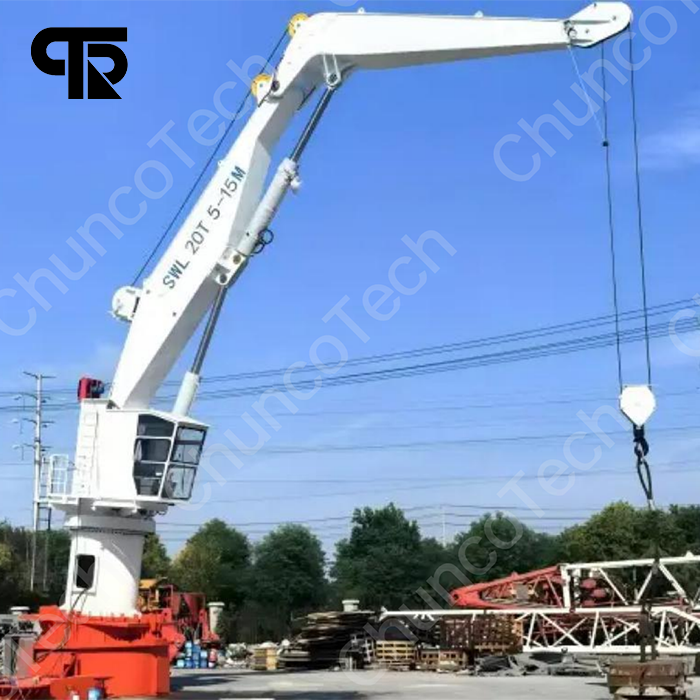
The abovementioned rigid boom machines offer a uncommon advantage in situations demanding both maximum capability and remarkable definition. Unlike their orthodox counterparts, the rigid boom design minimizes movement, allowing for exceptionally exact placement of heavy materials. This reduced tremor translates to faster cycle times, increased care, and often the ability to work in compact spaces where more flexible boom cranes would be unsuitable. The enhanced stability also allows operators to handle more delicate or awkwardly shaped goods with greater certainty, contributing to overall project accomplishment.
Maritime Unload Equipment – Optimizing Port Capacity
Improved barge shipping handlers are absolutely paramount to heightening port effectiveness. The swiftness at which freight and other stock can be moved from the body of a floating asset directly impacts overall shipping processes. Modern gear, including sophisticated instrumentation and automated routines, are boosting ports to considerably diminish turnaround times and accelerate capacity. Integrating advanced ship technologies represents a key plan for port authorities seeking to remain productive in the global economy.
Picking the Correct Crane: Gateway, Waterborne, or Solid Boom?
Electing the perfect crane for a task can be demanding. Countless types exist, each with its distinctive strengths. Bridge cranes are usually employed for enormous loads in exterior areas, offering wide extent. Rail-mounted cranes provide excellent maneuverability and can navigate constricted spaces; they’re distinctively useful for intricate lifts. Finally, stiff boom cranes excel in events requiring precise placement and considerable lifting capacity within a confined area. Consider the gravity of your load, the present space, and the essential level of mobility to make an informed selection.
- Handling Extent
- Size Restrictions
- Traverse Capability
Next-Generation Solutions in Vessel Loading Construction
The latest generation of ship unloaders are witnessing a significant transformation driven by progressive technologies. Self-governing systems, incorporating laser scanning and 3D modeling, now facilitate definitive inventory management and optimize bucket positioning for increased efficiency and reduced spillage. Furthermore, the integration of sensor networks and data analytics enables predictive maintenance, minimizing downtime and maximizing equipment longevity. Immediate monitoring of critical parameters like motor temperature and conveyor speed allows for immediate intervention to potential issues, bolstering overall operational reliability. Finally, simulation software aids in the initial drafting phase, allowing engineers to virtually test various configurations and optimize the unloader’s performance before physical construction even begins – a crucial step in achieving both higher throughput and improved safety.
Operational Measures for Pontoon Landing Derricks
Operating a waterborne pier lifter presents unique safety perils that demand meticulous readiness. Chiefly, regular evaluations of the entire system – including the deck, mooring ropes, and gantry itself - are absolutely vital. Operators must be thoroughly certified in emergency procedures, which should include but not be limited to: withdrawal strategies, fire suppression techniques, and weather-related contingency floating dock crane plans. Furthermore, maintaining a safe regulated zone around the derrick, carefully assessing wave action and currents, and implementing strict load maximums are paramount to prevent incidents.
- Verify proper ballasting for stability.
- Implement thorough communication protocols between the operator, deck crew, and shore-based personnel.
- Always be aware of potential interference from other vessels or marine traffic.
One Part of Slewing Handlers in Major Raising Jobs
Circular cranes are critically vital for massive load transfer projects, offering the ability to rotate and position loads with clarity. The abovementioned machines provide engineers and development teams to handle remarkably large or unmanageable components that would be impossible to move with conventional cranes. Their 360-degree revolving functionality is expressly useful in confined spaces, providing greater operational maneuverability. In conclusion, they are indispensable for projects like viaduct construction, the fixing of machine components, and vessel construction where precise positioning is paramount.
Boosting Performance with Up-to-date Crane Frameworks
Achieving best proficiency in current logistics environments necessitates a comprehensive examination of your crane procedures. Old-fashioned equipment can significantly curb workflow, leading to increased costs and reduced overall functionality. Modern crane systems, incorporating advancements like variable frequency drives (VFDs), sophisticated sensor technology, and advanced control algorithms, offer a transformative approach. These innovations facilitate smoother, more precise movements, reduce energy waste, and minimize wear on components—ultimately extending equipment longevity. Furthermore, proactive maintenance solutions, leveraging real-time data analytics and predictive capabilities, are becoming increasingly vital for preventing downtime and ensuring continuous operational readiness.
- Enhanced Safety Features: Improved safety features minimize risk.
- Reduced Energy Costs: VFDs provide substantial savings.
- Increased Throughput: Streamlined movements boost output.