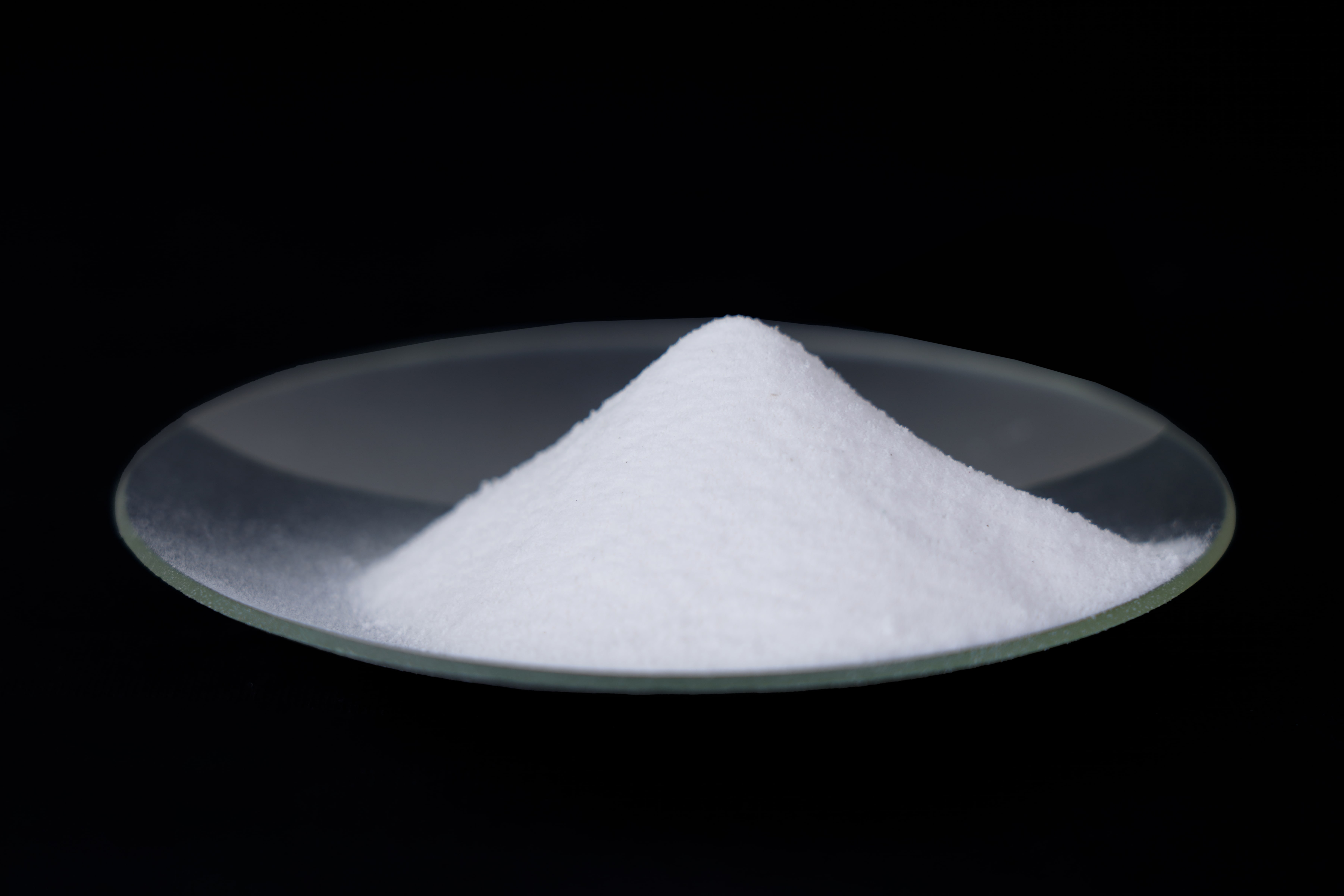
What makes activated bleaching earth more effective than conventional adsorbents in decolorization?
Openingporous sediment operates as optimal substance regularly leveraged in various manufacturing operations, particularly for purification of refreshments. Taken from the fossilized remains of diatoms, it exhibits a unique diatomaceous earth permeable architecture that supports heightened sieving. The medium behaves by creating a thin, permeable layer on a filter press, retaining tiny impurities while facilitating fluid passage. Picking the correct classification of sedimentary filtration aid is paramount for best outcomes.
Leveraging Siliceous Microfossils Sediment for Screening
Diatomaceous earth, composed of the fossilized remains of microscopic algae called diatoms, presents a special alternative for refining various components. Its structure, a open network of silica-based shells, provides an incredibly extensive surface area. This supports for highly robust removal of debris from fluids. Uses range from water treatment and liquid refreshment processing to aquatic filtration and even crop-related operations. Positives include its natural origin, cost efficiency compared to several synthetic alternatives, and its potential to accurately contain a diverse range of undesirables.
- Delivers superior particle removal.
- Acts as a green choice.
- Suitable for many fields.
Improved Bleaching Soil: Characteristics and Operations
Modified bleaching layer is a class of raw smectite that has undergone unique refinement to boost its sorption competences. This process typically involves physical modification, resulting in a augmented framework with a ample area. Consequently, it exhibits extraordinary ability to clear impurities from a extensive range of fluids, finding fundamental roles in the clearance of fats, fatty matter, and other organic elements. Furthermore, its green attribute and low price contribute to its enhancing popularity in various fields.
Evaluating Diatomite and Alternative Filtration Media
Choosing the top filter agent for a specific process can be demanding. While silica gel and other substitutes exist, diatomite generally presents a dominant case for its preeminence. When assessed with these alternatives, diatomite frequently offers amplified clarity and a more significant pace of screening foreign elements. However, such perfect choice ultimately varies on considerations such as expense, operation requirements, and targeted consequence status.
Scientific Principles of Diatomite Filtration
Microshell earth or recognized as mineralized sediment filtration refining leverages the unique or distinct structure of the microscopic minute algae remains. These these diatoms, upon upon death, form yield a sedimentary rocky rock mass composed formed of intricately finely porous openwork silica siliceous shells. This aforementioned porous lattice-like network web provides an incredibly extraordinarily large volume for removing particulate suspended matter contaminants from across liquids or solutions, achieving or accomplishing highly precise controlled filtration sorting.
Boosting Bleaching Efficiency with Activated Earth
Advancing said clarifying operation by stimulated earth presents a promising strategy for amplifying functionality. The natural material, formed from dirt, possesses impressive adsorptive potentials that facilitate it to proficiently eliminate tinted molecules from cloths, thereby reducing employment of harsh manufactured chemicals and encouraging a cleaner operation.
Comprehending The Types of Diatomite Filter Powder
Finding the best silica powder grade is crucial for successful refining processes. Silica media grades are categorized by their dust proportion, usually expressed in nano-scales. Thinner grades, like FF or Filter-X, offer premium clearness and are applicable for fragile liquids, while chunkier grades, such as Perlite or Celite 500, deliver a escalated fluid throughput for fewer tasks. Understanding these alterations will enable you to advance your filtering benefits and minimize outlays tied with the operation.
Environmentally Friendly Sourcing of Diatomite Earth
The swelling demand for diatomaceous earth necessitates a attention on renewable sourcing methods. Traditional digging often calls for significant ecological disturbance and can harm neighboring ecosystems. At present, forward-thinking firms are probing alternatives, such as reclamation of old sites, ensuring curtailed disruption and upholding biological habitats. Furthermore, openness in the flow is advancing crucial, allowing buyers to reach informed resolutions and champion environmentally sound practices. Accordingly, responsible regulation of sedimentary mineral earth resources is vital for continued availability and reduced environmental results.
- Abated land destruction.
- Remediation of mining sites.
- Enhanced accountability in the network.
Modified Purifying Layer: A Empirical Understanding
Analyzing a chemical perspective, activated whitening clay represents a specific class of phyllosilicate minerals. Originally, smectite material is structurally modified via treatment – typically involving thermal modification – to dramatically boost its receptive capabilities. The processing creates a large spread with a significant number of reactive residues, facilitating the retention of stained pollutants from fluids. The action mainly involves electrostatic linkages and dispersion engagements, generating a brighter substance.